
This page is a detailed record of what living with this illness has been like from the inside: the large and small experiences, the symptoms, and the connections I've made between them while trying to understand the mechanism. Much of it is the kind of detail that doesn't fit in a story or a figure caption, but it is what the model on this site was built from.
2017: Searching for the Mechanism
From the first weeks, I treated my illness as a biochemistry problem. My symptoms were dizziness, a heavy fog, numbness and tingling in my hands, trouble concentrating and remembering, labored breathing, a racing heart whenever I exerted myself, and an exhaustion that kept me in bed some days. I couldn't tolerate caffeine, alcohol, too much sleep or even car rides, and a single beer made me worse. The symptoms oscillated: some days were better than others, and mornings were always worse. My tests came back normal apart from high cortisol and serotonin, and the one diagnosis I got was postural orthostatic tachycardia. Doctors kept suggesting anxiety. "I'm not worried at all and just tired all the time," I wrote that November. "My breathing isn't crazy. I'm just living normally and sick every second."
Because the scans showed nothing, I went to the literature. I read the federal toxicology profile on hydrazine, the chemical I believe started my illness, along with every case report I could find. Hydrazines block the enzyme that activates vitamin B6 and the enzyme that makes GABA, and the reported effects of low-level exposure (central nervous system depression, numb hands, confusion, lethargy) matched what I was living. B6 is the standard treatment, and it helped at first, although I was wary because high doses of B6 can cause neuropathy on their own. Other papers showed hydrazine swelling mitochondria into "megamitochondria," depleting ATP and generating reactive oxygen species, and a toxicology flow chart showed it killing glial cells. I came to believe that, even though hydrazine is a reducing agent, it had set off oxidative stress throughout my body, damaging mitochondria and leaving my neurons with a massive energy deficit. The brain's protective responses, such as raising GABA and kynurenic acid, would explain why my thinking was so dull. "I'm guessing that the symptoms are result of a massive energy deficit in my neurons," I wrote in December. I emailed researchers who studied oxidative damage, neurotoxicity and mitochondria, asked toxicology databases for interaction data, and searched for anyone else who had been exposed. "No one understands the reaction mechanism," I wrote. "That's why there is no cure out there."
Breathing became the center of it. I felt I was breathing with my upper chest instead of my diaphragm, and on video my lower abdominal muscles didn't move at all. I could physically take a full breath, but my body seemed to choose only about a quarter of one. I woke at 2 a.m. short of breath with my hands tingling and breathed hard for 45 minutes, sweating and shaking. My blood oxygen usually sat at 94 to 95 percent. A CPAP machine left me gasping afterward. Tests showed high cortisol and serotonin, and I suspected they weren't the problem but my body's attempt to keep me breathing. By December I thought the cause might be damaged stretch receptors or chemosensing in my chest, or damaged astrocytes, which help drive normal breathing and, unlike neurons, can regenerate. "I'm honestly worried I will die every night," I wrote.
Medications showed me how differently my body now reacted. One small dexamethasone pill left me unable to sleep, shaking and sweating with a stinging in my head, and then barely able to move or breathe for weeks (L1). Vyvanse kept me functional but used up energy my cells couldn't replace. CoQ10 helped for a day and left me worse the next. Choline gave me my best days, always followed by a backlash. "Feeling bone crushing exhaustion all the time and every breath is a struggle," I wrote.
Steroids
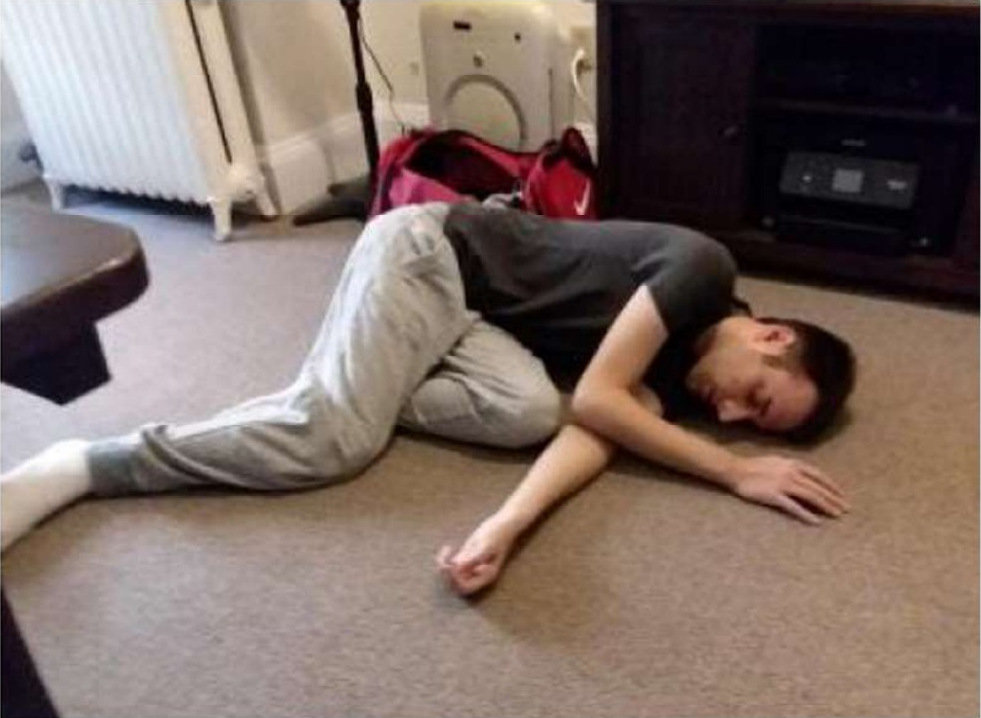
In 2017, one pill of dexamethasone triggered a crash. It wasn't immediate — the effects of the pill were wearing off, hours later, when the crash set in. For several weeks afterward I barely had the strength or energy to move, and was virtually catatonic (L1). I don't know what was physiologically happening; that's only a description of what it looked and felt like, not a diagnosis.
The only thing that has ever reliably pulled me out of it is alpha-ketoglutaric acid. It has never helped me with anything else, but the effect is reproducible — it has worked every time since, including when the same crash was triggered by topical steroids, not just the oral pill.
Also in 2017. The one thing dexamethasone did right, briefly, was lift the heavy-head feeling I'd had since getting sick. That was before the crash set in.
Personal Journey
Four years of the wrong question
My mistake in this period was focusing on the direct toxicity of the substance that started it. I was looking for a poison. The problem was not a poison.
2018: Too Tired to Breathe
Where things stood in early 2018
By January 2018, about five months after the exposure, I had been hospitalized six times, including a four-day inpatient stay. The worst symptoms were difficulty breathing (shallow breathing, a weakened drive to breathe, waking up gasping for air), bone-crushing fatigue, and brain fog that impaired my focus, thinking and memory. I also had tingling and numbness in my hands and head, coughing when I breathed in too deeply, occasional dizziness and occasional ringing in my ears. My heart rate rose by more than 30 beats per minute on standing, which met the criteria for POTS.
I was intolerant of almost everything. Medications had bizarre effects: modafinil (Provigil), which is meant to keep you awake, put me to sleep, and a single beer could make me sick for two to four days. Nearly every test came back normal: brain MRI, chest CT, chest X-ray, abdominal ultrasound, echocardiogram, EEG, EKG, blood and urine work, and pulmonary strength and capacity testing. The only abnormal results were high serotonin and cortisol.
Many doctors told me it was depression or anxiety. I didn't feel anxious or depressed, neurotransmitter testing didn't support it, and talk therapy, antidepressants and anti-anxiety medications didn't help. That January I applied to the Rare Genomics Institute for genetic testing, because with everything else ruled out, a genetic cause seemed like the only explanation left.
My breathing was the strangest part and the hardest to explain. It wasn't asthma. Nothing wheezed or tightened. I felt too tired to breathe, as if my lungs didn't have the strength to expand and my body had lost the impulse to take a breath. "I feel like I put a lot of effort into inhaling then my chest collapses on the exhale," I wrote. Lying on my back, my body seemed to have no drive to breathe at all, which was less of a problem on my stomach. In January, when I forced myself to take deep, slow breaths, I got pins and needles all over, especially in my face and hands, which I took as my CO2 dropping after hours of shallow breathing. More fluids made my breathing harder, especially lying down. Pulmonary function tests, two sleep studies, a chest CT and an evaluation for vocal cord dysfunction all came back normal. "I always feel like something is pushing down on my chest," I wrote that November. I came to suspect the problem was in the nerves of my chest rather than in the lungs themselves. When omega-3 helped, I reasoned that my brain had been sending more and more signal to damaged nerves in my lungs, and the omega-3 let it dial that back. When astragalus calmed my blood vessels but made my breathing shallower, I read that angiotensin II affects breathing only when the vagus nerve is damaged, and I began to suspect my vagus nerve.
My body now reacted differently to almost everything. Salt didn't help me the way it helps many POTS patients, and large amounts of electrolytes wiped me out. My reactions were often delayed: one dose of creatine took nine hours to kick in. A hot shower made my fatigue noticeably worse, and so did heat in general; my livedo reticularis was faint all over but pronounced in my palms, and it worsened in heat along with weakness and nausea. Deep relaxation made me sicker: my heart pounded, I got short of breath, I saw flashing lights with my eyes closed, and once I got a migraine from relaxing. Exogenous ketones and creatine gave me more energy, and in January my heart rate and fatigue improved while my brain fog and breathing didn't. Daily creatine and MCT oil were the only things that kept me functioning. If I forgot them, I started shivering and panting. Whenever a supplement helped for a day, I paid for it with several worse days afterward. My head always felt heavy, and I could feel blood moving around when I turned it. Eating a meal heavy in both carbohydrates and fat made me so sleepy I had no choice but to pass out, while either one alone didn't. Ivabradine and methyldopa made me worse. A numbing spray in my throat made me feel suffocated for half an hour but cleared my brain fog for days.
An autonomic evaluation recorded my heart rate rising 50 beats per minute when I stood, and the report still came back "normal." I went through 24 doctors before anyone accepted that I had an autonomic condition rather than anxiety and depression. Testing for thousands of autoantibodies, cytokines and Lyme disease came back normal. My nitric oxide tested close to zero. Other POTS patients' signs were mine too: bulging veins and redness in my hands and feet, clubbing of my fingers, being unable to stand through a shower, and a feeling that my brain was being squished if my head was too low while I slept.
The first real clues were metabolic. An oxidative stress panel was normal except for superoxide dismutase, which was off the charts. I reasoned that superoxide becomes far more toxic when it meets nitric oxide, so a body flooded with superoxide would hold its nitric oxide down. That fall I wrote that superoxide "explains my oxidative stress test results and why my nervous system tingles after eating a lot of fats (activation of complex I) and why I have shallow breathing (in order to reduce oxidative stress and electron transport function which produces superoxide)." I also wondered whether reductive stress, from hydrazine as a powerful reducing agent or from too many antioxidants, was the real injury. In November, a MitoSwab test showed complex I activity far below normal and complex IV low, while complex II and III were normal, along with a high mitochondrial count that looked like compensation. My lactate and pyruvate were both low, and nearly every organic acid was low. "What if CFS isn't an immune condition," I wrote, "but just often has immune related symptoms that result from the true underlying cause like a mitochondrial issue."
B6 was its own puzzle. Of everything I tried, it improved my symptoms the most, but it made my tinnitus much worse. In September my B6 tested at 326 nmol/L, far above normal, though I wasn't supplementing regularly. The active form, P5P, left me exhausted and out of it. When I stopped B6 entirely, my level fell to the low side of normal and I felt worse and worse "like I'm dying," until a low dose once every few weeks brought me back almost instantly. By December, I was dreaming again without taking it, which I hadn't done in a long time. "It's almost like my body had to relearn how to use b6," I wrote. By the summer I was waking up feeling half brain-dead, and by October I spent most of my time in my room.
2019: The Illness Spreads
"If I could just take one normal deep breath I could tolerate everything else," I wrote that March, "but I haven't been able to do that in years now." Breathing stayed my worst symptom. All my pulmonary testing was normal, but I was probably hypoxic every night in my sleep. I could only sleep in one position, with a thin pillow under my right leg and my body rotated slightly to the right, or I felt I couldn't breathe. When I exhaled and held it, I felt a cold, menthol-like burning in the middle of my chest that made me too tired to breathe. Most of my blood seemed to pool in my gut, and something snug around my stomach helped. After hundreds of supplements, the only new thing that helped was garlic extract, and choline once let me stand while cooking for the first time in months. Aspirin made my blood pooling worse, as if not enough blood was reaching my head, and I began to wonder whether inflammation was helping me.
Then my body seemed to turn on itself one system at a time. In February a bald patch appeared on my chin, and soon there were three patches: alopecia areata. A month or two later, guttate psoriasis covered my body, and a biopsy confirmed it. About two weeks of betamethasone cleared it for a few days. Around five days after I stopped, in June, severe eye fatigue set in: heavy lids, cold eyes, stinging when I closed them, and the same "something doesn't feel right" feeling I'd had when I first got sick. Sitting in the sun for an hour a day cleared the psoriasis within a week. From May, my joints hurt: left hip, left thumb, breastbone, middle of my back and neck, right elbow and forearm. A fleshy bump rose on my rib cage, and some mornings I couldn't move for an hour or two. Diagnoses of costochondritis, neuropathic corneal pain and suspected Raynaud's followed. On a 70°F day, parts of my body were cold enough that I worried about frostbite; my eyes, ears and nose were cold to the touch, and any part of my body I overused, like my eyes or neck, turned cold. In September a burning started in my left hand, and with my eyes closed I couldn't tell where my hand was. In October, after a topical steroid, my breathing got so much worse that I wanted to die, and sore bumps appeared in my eye sockets. That month I wrote that the newest symptom was that I couldn't keep my head up anymore. In November, a brain MRI found scattered spots of white matter hyperintensity, read as likely chronic small-vessel damage.
My testing kept turning up fragments. Hundreds of antibody tests, including ANA, were negative. The exceptions were CellTrend anti-muscarinic antibodies, a low-level ion channel antibody and a high IgE. Whole exome sequencing found nothing, Vanderbilt found I didn't have EDS, and a small-fiber biopsy at my ankle was normal. But corneal confocal microscopy showed nerve damage, neuromas and immune (Langerhans) cells in my corneas, and I wondered whether the same thing was happening to nerves throughout my body. A mycotoxin test showed ochratoxin A. Steroids of any kind, even weak creams, made my breathing unbearable. Almost everything else made me worse: a can of soda, doxycycline, a handful of supplements taken together. Phenylalanine cleared my brain fog but sharply increased my mental fatigue, and NADH made me so sleepy I couldn't wake up. A new supplement would make me feel much better for a couple of days and then drop me right back. Apple cider vinegar capsules made me feel drunk. I did better in summer than in winter, and temperature drops made everything worse, so that I moved slowly and slept constantly. "Normally my bones feel like they're being crushed I'm so tired," I wrote. I described the fatigue that November: "The fatigue feels more like dying than what a healthy person considers tired. You're too tired to think or breathe or move or feel anything. It hits you so hard you can feel it in your bones." In December, I noticed something that would become a pattern: "Seems like when inflammation is the highest I feel the best."
I suspected my mitochondria, and I wondered whether hydrazine's effect on complex II, combined with my complex I deficiency, had flooded my nervous system with superoxide. "I think all of my symptoms are caused by superoxide production which occurs from electron leak which occurs when membrane potential isn't adequately established," I wrote that July. Since superoxide dismutase is the enzyme most often defective in ALS, I wondered whether I had a form of ALS that hit autonomic nerves instead of motor nerves. I also wondered whether four years of breathing acetonitrile had primed me. I reasoned that small-fiber and autonomic nerves are the most vulnerable to a toxin because of their surface area and lack of myelin.
My daily log, winter 2019–2020
- Jan 1 (3): crash the day after physical exertion
- Jan 18 (4): high-dose vitamin B6; severe tinnitus, then muscle weakness the next day
- Jan 28 (3): allergy attack and UV phototherapy
- Feb 5 (3): first week at a new job
- Feb 9 (2): work exhaustion
- Feb 15 (3): diagnostic eye drops at an eye exam the day before
- Feb 23 (3): allergy attack
- Mar 6 (3): high-carb meal and running for a bus the day before
For about ten weeks over the winter of 2019–2020, I rated how I felt each day from 1 to 10, relative to my own baseline, and logged what I'd been exposed to or done: salt, high-carb meals, cold, allergy attacks, exertion, alcohol, supplements, UV phototherapy for psoriasis, and cervical traction. Over the 66 days I logged, my average day was a 5, and 52 of them fell between 4 and 6 (L2). Only seven days reached 7 or higher, and seven fell to 3 or lower.
The worst days usually had a clear trigger. The two allergy-attack days averaged 3. Days with UV phototherapy averaged about 4, and my breathing was worse afterward. Diagnostic eye drops at an eye exam in February were followed by a week of 3s and 4s. The most telling pattern, though, was a delay. On days I exerted myself physically I felt no worse that day, but the next day averaged about half a point lower, and my single worst day, a 2 in early February, came after a week of pushing through work. That delayed crash is what's now called post-exertional malaise.
It's one person over ten weeks, and most factors showed up on only a handful of days, so the numbers are small. Some of them are also misleading on their own: I often took creatine because I was already having a bad day, which makes creatine days look worse than they were. But it's a record I made at the time, before I had any model, and the same patterns run through the rest of this page.
Chest and breathing
Breathing during sleep has been a weak point from the start. In 2019, sertraline, salidroside and melatonin each left me waking up feeling as if I hadn't been breathing all night, and I stopped all three. After salidroside, my breathing changed permanently from rapid gasps to longer, slower breaths, though they stayed shallow. A can of soda once woke me in the middle of the night gasping for air, and in March 2020 I had a night where my respiratory drive felt close to zero. UV phototherapy for psoriasis also left my breathing worse afterward.
Eyes
In 2019, I developed eye pain, especially when moving my eyes to the sides, along with eye fatigue and visual snow. Reading was by far the biggest trigger for the visual snow: even a few minutes of reading could leave it worse for days. Confocal microscopy of my corneas that September showed neuromas, areas of reduced nerve density and inflammatory dendritic cells, and I was diagnosed with neuropathic corneal pain (see the corneal imaging on the Evidence page).
Treatments for my eyes pulled in different directions. Trehalose eye drops significantly improved the visual snow for about 48 hours, but worsened my breathing, so I couldn't keep using them. Saline eye drops helped at first, then made my symptoms worse over time. Serum tears seemed to help nerve regrowth, but the pain when moving my eyes continued. I declined a course of steroid eye drops because of my earlier reaction to dexamethasone. A sugary diet also made my eye symptoms worse.
Mast cell evaluation
In 2019, I was tested for mast cell activation many times, across a range of markers including tryptase, cytokines and prostaglandins, and every result came back negative. I've also tried a number of mast cell treatments, including diet changes, medications and supplements. None of them gave me any real benefit, and if anything some made me more susceptible to exposures. I don't have the typical mast cell symptoms either: no hives, wheezing, flushing or swelling.
My clinical picture doesn't fit a mast cell diagnosis. Every exposure I face produces its own symptom profile, with no overlap between them. If one shared mechanism were driving my reactions, whether immune, neurological or psychological, I would expect different exposures to produce at least broadly similar symptoms. Instead, each set of symptoms makes sense in terms of the direct effects of the substance involved: abrasive particulates cause tissue damage, VOCs cause tissue depletion, and plastics cause interstitial clogging.
Mast cell activation is also a gain-of-function problem, and those are generally far easier to treat than loss-of-function ones. With all the interventions I, and many others, have tried, I would expect something to have interrupted that activation and produced a sustained benefit. No such consistently helpful treatment exists.
Too often I see researchers and patients write off reports of environmental drivers as "just MCAS," without evidence or a thorough investigation. That concerns me. Even if every mast cell in every person could be eliminated overnight, it would not end chronic illness, and it would not make every exposure harmless. And even where mast cells are involved, the disease is never only mast cell activation: for an exposure to reach mast cells and activate them, it first has to get past the body's barriers.
What I've experienced is an environmentally driven disease that operates independently of mast cell activation.
2020: Looking at Connective Tissue
My neck kept weakening, and the muscles at the back of it seemed to be wasting. Some days my head felt too heavy to hold up, and a cervical traction device helped. I suspected craniocervical instability. Left-leg sciatica and several ganglion cysts followed. An ENT found bony nodules in my eye orbits, unusually high nasal inflammation and a severe dust mite allergy. My ears and nose were always freezing, even when it wasn't cold. That February I tried working part time (L2). On the first day my thinking was slow and every vein in my body, especially in my head and gums, felt like it was tightening; by the second day the chest pain was the hardest part; by the third the chest pain eased but my fatigue shot up tenfold and my neck hurt from holding up my head. Exercise, especially early in the morning, left my muscles weak "like Jello" for hours. "My brain feels cold, I can't feel my arms, I can only sleep on my stomach, sugar makes my eyes feel tired, and I feel like sometimes my heart stops," I wrote.
My thinking moved from mitochondria to collagen. If I fully exhaled and held it, I felt a cold burning in my chest, and breathing through my chest hurt in a way breathing through my stomach didn't. Vitamin E made the chest burning go away. Sore bumps of tissue covered my ribs but didn't show on an MRI. There seemed to be no muscle or tissue over part of my shin; I could knock on the bone like a tree. Cold made every inch of my body sore, as if I'd been beaten, and cold weather sent my tinnitus and sound sensitivity through the roof. By November I described my chest this way: "There's no room in my chest for my lungs to expand, so the ligaments tear when I inhale." I wondered whether hydrazine had loosened the collagen around the nerves that drive my breathing, leaving them to be crushed and regrown again and again.
The clues I gathered pointed toward inflammation being protective. One corneal steroid drop brought instant relief from eye fatigue, followed by a full day of eye pain. Vitamin D cream on my psoriasis made my breathing worse, and every attempt to treat the psoriasis, with UV phototherapy, steroids or creams, made me physically worse. Anything anti-inflammatory made my breathing more labored, and high-dose oral steroids left me almost comatose with fatigue. I came to believe the swelling was cushioning damaged nerves. Medications kept failing. Ivabradine made me very sick. A polyphenol supplement brought headaches, burning, pressure and brain fog. A collagen supplement made me feel strange. A ceramide supplement gave me a burst of function and then left me unable to recover from rest, and by December rest wasn't restoring me at all. I began to suspect that antioxidants were causing reductive stress. "I always feel like I've pulled an all-nighter even when I sleep," I wrote. What helped were small things: creatine and B6 in small doses, cutting carbs, a belt against abdominal blood pooling, blue-light glasses, sleeping on my side with a pillow between my legs, and Dr. Raymond Perrin's lymphatic technique, which fit my growing suspicion that my lymphatic system was failing the way my blood vessels were.
Head
In early 2020, a pollen allergy attack left my head pressured and heavy for three days, with headaches and more neck pain, and on another allergy day it was noticeably harder to hold my head up.
Hearing
High-dose vitamin B6, which I first took in 2017 because hydrazine depletes it, drastically increased my tinnitus, enough that I had to cut the dose. A single dose in January 2020 did the same.
Circulation and temperature
Hot showers used to force a two-hour nap every day. Switching to a wide-spray shower head so I could shower at a lower temperature ended that. Warm weather caused aching in my lower legs from blood pooling, and I had livedo reticularis, white blotchy patches on my hands, which midodrine made worse. In February 2020, niacin stopped the blood pooling for a day and improved my temperature regulation, although it didn't change the livedo, and a second dose did nothing.
Muscles and nerves
Exertion carried over to the next day. After a physically active day in January 2020, I had extreme muscle fatigue, most noticeable in my thumbs and worst in my neck, to the point that holding my head up was painful for two days. Running one block for a bus that March left my legs like Jell-O for an hour or two, and two hours of mental work could leave me burnt out the next day.
2021: Compensation, Then Collapse
Eyes and head
In early 2021, the ringing in my ears became constant. My cognition was often better when the tinnitus was worse. My vision deteriorated: the visual snow that began in 2019 became constant "TV static" and burning, worse in the dark and when I read. By April I sometimes couldn't see much through the haze, and I saw dashes before I even opened my eyes in the morning. The pressure in my head was lopsided, as if my brain were sagging, so I kept closing the eye on the side that bothered me. At times my body seemed to go hypometabolic, as if I were running in slow motion, sleepy, with slow and shallow breathing. When I lowered my inflammation through diet and cold, the head pressure dropped but my fatigue soared, so I came to see inflammation as my body's way of driving blood flow to my head. In March I ranked my symptoms: heavy chest and exhausted breathing first, then fatigue, brain fog, eye fatigue despite 10/10 vision, full-body soreness with temperature drops, lopsided head pressure, a weak neck, muscles that felt dead after carbs, and bloating. A chest CT and EDS genetic testing were negative, but I still suspected a structural problem in my collagen that no available test could image. Lymphatic drainage massage from my sister, a physical therapist, gave me real improvement. Two pills of colostrum that summer produced the most dramatic change I'd had in years, lasting for months: I was more functional but slept far more.
Varnish and mold
That September, the wood varnish and mold in a new apartment made me unbearably sick, and I realized my environment had been driving my illness all along. The air felt thin, as if I were on a mountaintop, and an inhaler did nothing. I moved three times in three months. One apartment was all tile, yet every breath felt like my lungs were filling with sand. That fall a doctor found my temperature and blood pressure consistently low, around 96.5°F and 93/66, and my leg reflexes much stronger than my arm reflexes. My fingernails lost their crescent moons and their shine. I wrote down the sequence that kept repeating. My lungs burned and my chest hurt. When someone pressed on my chest, the discomfort eased, but then the systemic symptoms set in: severe brain fog, limbs like cement, too tired to breathe, a burning sensation in my head. I noticed that when I avoided every trigger, my symptoms faded one at a time until I was almost well, and around triggers they came back one at a time until I was half dead. In December I wrote down my theory: damage to the connective tissue in my chest had opened gaps between the collagen fibers, so that contaminants I breathed in got stuck there, and pressing on my chest pushed them into my blood and on to my brain. "So I think I have this 'toxic absorption' problem that causes all of my autonomic symptoms." I also saw that I reacted more to particles in the air, smaller than any filter could catch, than to smells.
Paint
In early December I moved into an apartment freshly patched and painted with zero-VOC paint. The paint left a chalky taste in my mouth. A "safe" sealer made it worse, and drywall dust left me coughing and wheezing for days. I was using a brain-retraining program at the time, and it convinced me I would adapt, so I stayed four days, much longer than I should have. By the end, my arms had begun to hurt. Later, walking back in for just two minutes made me sick for days. The decline was frighteningly fast; once, while I stood talking to someone, my right leg simply gave out. Paint exposure meant "a burning in my lungs, extreme brain fog, burning sensation in my head, fatigue, and heavy limbs. Bulk of symptoms lasts 2 days, but can take months to fully recover." By the end of the month I could tell VOCs and paint particles apart. I recovered from VOC and mold exposures over time, but after the paint particles I kept getting worse for months, even after I left. On Christmas Eve, I listed the clues I'd collected. When I had any inflammation, from allergies, a cold or a vaccination, I felt the least fatigue. After an acute exposure I had to sleep at an incline to avoid severe brain fog. I had benign bone growths on my ribs, in my eye orbits and under my nose, which I suspected were a response to silica in my body. Standing, I couldn't breathe into my lower abdomen at all. The only thing that rescued my breathing at night was lying on my stomach with a pillow pressed into my abdomen.
Personal Journey
Four days in a freshly painted room
What changed afterward: my joints began traveling past their normal end range. My skin became pale, striated, slow to heal and easy to damage. The shape of the muscles in my forearms visibly changed. The disease would advance in response to mechanical force — using a massage gun made it worse. And I acquired a new vulnerability, where fiber and polymer exposures would leave my head feeling clogged.
2022: The Particles Don't Leave
Circulation
The weeks after that apartment were the most frightening of my illness. My hands and feet went numb at night and woke me many times an hour, and once I couldn't move a finger until I shook it for ten seconds. Every morning I woke up with petechiae, tiny spots of broken capillaries, which faded within minutes. I took them as a sign of leaking blood vessels, and leaking vessels would mean poor blood flow and oxygen delivery. By February I could barely walk or talk, I had extreme difficulty moving my arms, legs and mouth, and I ran extremely cold. I feared it was ALS. The symptoms settled into whatever part of my body wasn't elevated, as if particles were settling, and my neurological symptoms moved when I changed position. Rashes on my arms changed shape and vanished within a minute. My skin cracked and bled when I scratched it, which looked to me like leaking blood vessels, not inflammation. "I feel like I have the most severe case of all time," I wrote in March. "Smaller and smaller exposures are having an exponentially bigger impact. My body doesn't even have the energy to breathe anymore." I didn't feel fatigue so much anymore; after any exertion my muscles simply gave out.
Muscles
The arm pain became constant. It was sharp, dull, burning and stabbing, worst in my forearms just above the wrist, and pulling my fingers back was the worst of all. It felt "like a million tiny little glass shards embedded under your skin that tears your nerves and muscle and tissue apart every time you move them." The weakness climbed from my fingertips up my whole arms, and by May I could only make small movements with my fingers. I pulled muscles constantly, and afterward they went cold and heavy. Wearing a watch for five minutes made my arm go dead, and lifting a glass of water was hard. Heat made my muscles weak and heavy, and cold brought pain and tingling. Holding my hand straight above my head helped. An MRI showed edema in my wrist, while brain and spine MRIs done shortly before were normal. I couldn't tolerate even the lowest setting of a nerve conduction test. My only abnormal blood marker was a mildly positive, speckled ANA, which turned negative after I moved away from the paint; doctors told me that couldn't happen. I proposed that insoluble nanoparticles like titanium dioxide, entering through a damaged barrier and accumulating over time, mechanically damage nerves and muscle and cause chronic pain. I wondered whether I had a silicosis-like condition in my arms: insoluble paint particles lodged in tissue, obstructing venous outflow. When I went back to serum eye drops made from my own blood, this time my eye pain worsened, and I suspected I was concentrating whatever was in my blood.
Chest
I noticed that tightening the muscles of my chest lowered my sensitivity to the air, as if closing a tear in the connective tissue, and that breathing with my abdomen instead of my chest cut my reactions dramatically. On my chest CT, my sternum looked compressed against my thymus. A household disinfectant spray left my chest feeling like acid was burning through it and my veins full of sludge, still five days later, after I could no longer smell it. I couldn't drive on the highway without being sick for days. My reactions were usually delayed by a couple of days, which made it impossible to judge a new place quickly.
Inflammation
By that summer I had turned firmly against the "neuroinflammation" model. To me inflammation was a symptom, not the cause: I felt best when my inflammation was highest, during allergies or a cold, because my body was sensing the problem and reacting to it. Blaming inflammation, I wrote, is like a bystander who yells for help during a mugging and gets arrested for disturbing the peace while the mugger walks free.
Moving outdoors
I left Boston for Connecticut and by fall was sleeping on my parents' porch. For weeks I had a constant stinging, stabbing sensation at the back of my head, worst in the morning, and I worried about neurodegeneration. "My body does not heal, I only get sicker over time," I wrote. Even outdoor air bothered me. When I set up a high-end air purifier, the suddenly clean air left me lightheaded and distorted. Fibromyalgia was added to my diagnoses. The Perrin technique, which had helped for about two years, stopped working. Any renovation became "automatic death."
My health continued to worsen sharply, and I was forced to leave both of my jobs. After a lymphatic massage in 2022 I had a distinct gritty taste, like a mouthful of sand.
2023: Seeing the Damage
Skin and muscles
By January my chest had been heavy and burning for five straight years, and I could feel very low levels of VOCs "slowly frying my brain." That March I listed what my body was doing. My whole body felt like I'd drunk a bucket of wood varnish. My vision had narrowed so I could only see what was directly in front of me, and I had visual snow. Tiny holes appeared in my skin, and I bled for no reason. When a bandage came off after a skin biopsy, my skin tore off with it. I sometimes tasted food in my nose. I had to tense my chest muscles to avoid reacting to the air, and sometimes I needed someone to press on my chest to relieve the pain. Small red dots covered my skin in the shower. Bending a toe once caused excruciating pain at a red dot under the skin, and twelve hours later there was a red crater around it, which looked to me like a particle doing mechanical damage. I woke at night with my fingers paralyzed. Treating my psoriasis made breathing difficult. A mild electrical massage device left other parts of my body numb for two months. My main symptoms weren't really fatigue, but muscle weakness and a full-body malaise; in the mornings I shook trying to make my muscles work. By April I was sleeping outside. My nervous system was so damaged that I no longer smelled things well; feeling sicker became my sense of smell. My arms felt like dead nubs full of cement, and stretching, bending or any pressure triggered the pain, even the weight of a shirt on my shoulders. Every time I flexed or strained, I got permanently worse. My joints felt like they had sand in them, and each evening my hands felt like tiny raindrops were hitting them. That spring, smoke from the Canadian wildfires made the whole state smell like burning plastic, and I had never felt so sick.
Microscopy
Electron microscopy of a skin biopsy finally showed something. My collagen and elastin looked normal and my nerves were well myelinated, but they appeared compressed, with consistent breakdown of the Schwann cells, large granule accumulations and myelin degradation. A brain MRI showed a small spot of signal abnormality that hadn't changed since 2019, along with thickening in my sinuses, and in November another MRI found a Rathke's cleft cyst. Titanium dioxide paint dust had become my worst sensitivity. I realized I had done much better in my Boston apartment because its air was so clean that I could handle minor exposures during the day. An environmental medicine specialist diagnosed me with multiple chemical sensitivity. I also noticed that a drop of red food coloring on my finger barely stained my skin, while it left a dark stain on healthy people.
That biopsy was a 3 mm punch taken 3 cm above the medial side of my left elbow. When the cold hit that year, I had another major step-down, and my cuticles began to disappear.
Read more on the Evidence page
See the nail changes on the Evidence page
Three exposure classes
By then I could sort exposures into three classes: mold, VOCs and nanoparticles, with nanoparticles the most dangerous. VOCs come first: they weaken the body and make it susceptible to everything else. In homes, the biggest VOC source I found was wood varnish. Nanoparticles come from renovations and paint, especially matte white paint, and they are light enough that they never have to settle. Central air keeps them circulating, and I never found a home with central air that I could live in. I learned there is no such thing as adapting to a bad environment; you just have to get out. Lymphatic work helped me more than any other hands-on technique, and deeper was not better. Temperature changes left my body extremely sore, which I took as particles dislodging and moving somewhere else. Reducing inflammation made me sicker and weaker, because the inflammation was fighting the toxins. Disinfectants bothered me as much as paint. Sheets washed in the wrong detergent kept my chest burning and kept me awake for a month. That fall my symptoms kept getting worse. I tried mild hyperbaric oxygen. In October I wrote that my illness had transformed two years earlier, after the apartment renovations, when pain and arm weakness appeared for the first time: "Every time I move my arms, that weakness gets 0.01% worse." In November I started periodic blood draws to try to remove particles from my body. When I caught COVID at the end of the year, I barely noticed it next to everything else.
2024: Mapping Exposures to Symptoms
Exposure signatures
By 2024 I could tell exposures apart by what they did to me. VOCs brought chemical sensitivity, a flattened or hole-in-the-chest feeling, a "wired but tired" state and a poisoned feeling. Nanoparticles brought fullness, a clogged and heavy feeling, muscle weakness, post-exertional malaise and chronic pain. Mold brought a feverish malaise and inflamed-feeling blood vessels, acrylics clogged my head with brain fog, and only mold symptoms could be stopped by wearing a mask. I came to see tinnitus as a sign of raised pressure inside my skull (opening my mouth and tensing my jaw made it louder), and suspected insoluble particles were lodged in my brain's interstitial spaces, blocking blood flow and lymphatic clearance. A tablespoon of vinegar in the wash, once, left my brain feeling fried. A standard MRI wiped me out for weeks. I couldn't bear a blanket's weight and used two lifters to keep it off me. I couldn't even go into my own bedroom because of its old wood floor. Air purifiers that claim to "destroy" contaminants only changed how I reacted. I realized many "off-gassing" problems were actually "chemical shedding": short polymer chains in fabric that blow or wash out over time. Wherever I had sharp pain, it looked like bleeding under my skin in that spot. Red light therapy and aloe rubbed on my arms helped, at least for a while. My fingertips became cracked and wrinkled. After so long in the same house, I wrote, it felt "like someone scooped out all the tissue in my chest like carving a pumpkin."
Mechanisms
More electron microscopy showed pockets of demyelination with tiny black dots where nerves were breaking down, and abnormal glycogen in some Schwann cells. I saw my psoriasis as compensation, inflammation protecting the compressed nerves that drive my breathing. I proposed two mechanisms behind post-exertional malaise: more breathing means inhaling more contaminants, and insoluble particles sit inert at rest but injure tissue when you move. I noticed that rats exposed to titanium dioxide show inflammatory infiltrates, marked separation and dead fibers in their heart muscle, the same three findings reported in the muscle of Long COVID patients after exercise. One stay on the coast near Plymouth, Massachusetts, made me feel like I was healing even while I was exposed to indoor VOCs, because the outdoor air was so good.
Lessons
Compared with the air, food barely affected me: if I smelled one part per billion of paint, I fell apart. I came to see allergies as a downstream consequence of barrier damage: the fact that a person has allergic reactions is itself evidence that a barrier has been breached. I looked at my own blood under a microscope and saw that my red blood cells seemed only minimally affected compared with cells like neurons. The blood draws helped when my arm pain flared, especially when I worked my lymphatics first so particles would move toward my arms, and kept the tourniquet loose while blood was drawn. Strangely, drinking a soda could drop my pain way down. I was against vagus nerve stimulation; why overwork something that's already damaged? Repairing the barrier mattered more. Looking back, I realized I had been chronically ill for four years before I understood that environmental exposures were driving my symptoms. I had also once moved into an apartment and started hyperventilating, only to realize I was breathing normally for the first time in five years. Even if I avoided almost everything, one main exposure I wasn't avoiding was enough to keep me from improving. I had studied genetic markers for years and found none that mattered much; with enough exposure, I believe anyone gets sick. This is damage, not dysfunction.
Flooring
That fall I renovated a room to make a safe place to heal, and I tested floorings on myself. Even the best tile shed a small but nonzero amount of particulate after cleaning, because tile is countless particles stuck together. Wood is cellulose, so it sheds no particles but releases VOCs, and maple hardwood released the least. For a room I had to sleep in right away, a subtle VOC exposure was less bad than a subtle particulate one. I also learned that matte paint is mainly a problem in light colors with a titanium dioxide base. After an acrylic paint exposure that fall, my head stayed clogged for months; by December it felt "like my entire brain is clogged up with glue." Smelling a "100% organic cotton" mattress protector with a thin polyurethane coating, which had no smell at all, clogged my head "like I was having a stroke," and I had trouble walking. I became convinced that all synthetic polymers are harmful, even the "nontoxic" ones. By November I was sure: mold sensitivity wasn't my big problem; VOCs had driven everything else. Chronic VOC exposure creates the susceptibility and keeps the barrier from repairing, and the other exposures produce most of the symptoms. That month I spent two weeks in central Mexico, where buildings are ventilated by open windows year-round. By the end of the first week I felt better than I had in years, and the improvement faded once I came home. My muscles felt like they were dying, and I needed to be outside because my body needed a break from indoor air.
2025: Losing Ground
Clogging
Limited elemental imaging of my nerves found one element, aluminum. I mapped exposures to symptoms more precisely. Nanopolymers from bed sheets and acrylic paint brought brain fog. Matte white paint particles brought muscle pain and weakness. Volatile chemicals from plastics and varnish left me unable to rest or recover. A biopsy after the matte white paint exposure showed particulates in my tissue, and later biopsies showed collagen fibers separated beyond normal variation. That summer I stood near a new rubber gas pump handle for two seconds. It clogged my head so badly I thought I'd die before reaching a hospital, "like a stroke times 10,000," and that feeling has never gone away. By August my head felt clogged and my brain suffocating "24/7," worse every day. I lost the ability to tolerate indoor air in August and to drive in September. My walking and cognition declined over those months. In December, smelling a piece of clothing that had touched an electric heating pad left me vomiting for 18 hours.
Everyday triggers
Some of the clearest evidence that year came from ordinary life. It took nearly three months of buying, washing and airing out sheets outdoors at 15°F before I found a set I could tolerate, and I learned to air anything new outside for about two weeks. My online chess ratings plummeted when I started sleeping indoors and climbed right back when I moved outside again. After trying countless floorings, the only one I could tolerate was UV-cured maple hardwood. The only car whose smell I could tolerate was the one I already had. Once something was toxic, it usually stayed toxic: 30-year-old carpet and furniture at home were still pumping out chemicals. A rug washed with the wrong carpet cleaner, and solvent used to clean up spilled furnace oil, each made me very sick. In July, staying away from home while new flooring went in, I wrote that I hadn't breathed clean air in a year. I worked out that my shallow breathing was my body turning down its own respiratory drive to take in fewer VOCs, and I could see my breathing change from one environment to the next. I've reacted badly to nearly every medication; even aspirin causes symptoms, and I get fillings without novocaine. I hadn't had a seasonal allergy attack in over a year until I put on a shirt that still smelled of my old detergent, and the attack came immediately. With plastics, unlike VOCs, brain fog and confusion come first. My biggest trigger became petroleum-based products of every kind: rubber, paint, plastics, pavement, polyester. Near them, my head clogged so badly that I felt I was suffocating. "I breathe in VOCs and I can't rest," I wrote that August. "I breathe in particulates from paint dust and it feels like my head is getting stabbed with a knife. I breathe in polyester sheets or acrylics and my head clogs up and I can't think." Ordinary products each left their own mark. Phenoxyethanol in my laundry detergent made me progressively weaker, aspartame added to my fatigue, toothpaste with sodium lauryl sulfate gave me mouth ulcers, and pesticides felt like a night of energy drinks and no sleep. After new flooring went in, I couldn't get within a quarter mile of my house without symptoms. The best things I did that year were simple: time on the beach, taking off elastic waistbands to sleep, sleeping outside again, finding the plastics in my house and car, and logging everything. In late November I moved into an environmentally safe apartment, but after two weeks I lost tolerance, with severe burning and neuropathy from what I believe was formaldehyde from the tile adhesive. Oddly, opening a window made the indoor air worse. My head became so clogged I was almost catatonic, even though the outdoor air there was perfect.
Evidence
Epithelial Barrier Theory
In 2025, mucus began coming off the surface of my eye in small clumps, repeatedly, for several months — not a one-off irritation. I had to remove clumps from the lower lid several times a day at the worst of it. It has not recurred since.
2026: Fighting for Air
I spent the winter camping in Florida, at about 20 sites in one month, because I couldn't tolerate indoor air or even a tent. Only the lowest-mold park gave me any healing, and living green vegetation was tolerable while dead, rotting matter was poison. Aluminum in a room made me sicker, and a new laptop's metallic paint fumes were the worst household exposure I'd met. I can't wear masks: the fibers clog my head and N95 chemicals feel like acid in my lungs. I found my worst state came from combining a reactive chemical (varnish, formaldehyde, smoke, hydrogen peroxide) with a clogging material (wood fibers, polyester, rubber, plastics). Lymphatic work had once done wonders for me, but after the 2021 paint exposure its benefits became small and short-lived. My connective tissue felt "shredded to pieces": joints out of place, muscles reshaped, skin dry and sagging. Fresh aloe from a live plant on my painful areas, and regular blood draws for six months, eased my pain. Air quality monitors proved unreliable, and air purifiers made the air worse for me. My breathing slowed sharply whenever I was exposed and picked back up as I healed. Campfire smoke was everywhere, and smelling the tiniest bit of wood smoke for one second made me deteriorate rapidly. Each day of exposure lowered my tolerance further, so the illness advanced. Cars, tents and anything over my head made me worse. My computer turned out to be making me sick: laptops with vents and fans blow adhesive from the motherboard at you, and only a fanless one worked.
In May I had eight arborvitae trees removed, and my breathing rate while sleeping rose dramatically. In June I logged new symptoms: zapping in my right fingertips, soreness in my right hip only when walking, and a feeling that my spine was tearing when I leaned forward. Anything that tired me made the tinnitus flare: lying on my spine, sugar, short sleep. By June I could no longer eat any sugar; a few cookies made my tinnitus much worse and brought a sudden weakness in my left arm that never resolved. I think my head is so clogged that I can't handle the oxidative stress and waste that sugar adds. Elastic at my ankles and waist at night cut off circulation and made a massive difference. Moving my cot just 10 feet in the backyard produced wildly different symptoms because the airflow changed. Phone-case plastics seemed to soak through my skin and clog my head. A biopsy that summer showed muscle necrosis, T-cell infiltrates and marked separation of fibers.
I came to think of damage in three kinds. Some is chemical, from reactive substances. Some is mechanical, like a hammer crushing a tin can. And some is clogging, like hair in a pipe: plastics and titanium dioxide aren't directly toxic, but they damage connective tissue, make blood vessels leak and clog lymphatics, and those structural defects lead to toxicity. Material lodged this way needs manual lymphatic drainage; it can't be fixed with a pill.
Back north, the exposures never stopped. Neighbors' wood smoke, fertilizer and pesticides, a chlorine-like pool chemical that blew over me for more than a week, and a whole house being painted up the street. The worst exposures had no smell at all. I logged "step-down" events, sudden drops in function that never fully came back (described in detail below). In September they came one after another for a week, each leaving me weaker and feeling "lobotomized." Some nights the pressure in my head was so extreme that I lay awake and heard pieces of my hearing disappear. Since this fall's paint exposure, my sound sensitivity is worse and my fingers and toes are colder. Small physical details turned out to matter. Changing the height of my cot cushions shifted pressure between my head and abdomen. Moving my cot 15 feet from the house let me breathe much more deeply. Keeping my head warm at night slowed the decline. Rapid swings in air quality are especially harmful, and after the beach, going back into smoke made me a hundred times worse. In August I wrote, "I would give anything to be as sick as I was 4 years ago."
I see this now as a histological, loss-of-function disease. It involves barrier damage, tissue depletion, nerves that can't regenerate, connective tissue that never returns to its pre-damage state, and contaminants that accumulate over time. I've cleared my psoriasis several times, and each time my health got dramatically worse, so I leave it alone. Every steroid and anti-inflammatory has failed me, while extreme avoidance, breathing with my abdomen instead of my chest, and rest have helped.
Head
What I experienced
The symptom I've had most often is what I call "head clogged." It begins as pressure building inside the head and develops into a stunned, derealized state: I am alert, but I can't process thoughts or move with any speed, and at its worst it feels like suffocation inside the brain itself. It followed contact with, or time near, materials that shed fine fibers and particles: plastic shower curtains laid on a floor, wood flooring, a new laptop and phone case, rubber, freshly spread mulch, sawdust, pine and arborvitae trees, paint, and pollen. It could build slowly over days of low-level exposure, or arrive within seconds when the wind carried material toward me. It eased when I moved away from the source, when the wind changed, when I slept with my head outside a window, after infrared sauna sessions, after lymphatic massage and after walking. Position mattered: resting the back of my head against a firm pillow or leaning back in a chair made it markedly worse, as though half my head were being compressed.
I gave each material a rough severity score out of 10 on first contact: a cotton bath towel scored 2.3, cotton canvas 5.8, a PEVA plastic shower curtain 6.5, and the floor near one kitchen a full 10. These are one person's subjective ratings, not measurements, but rating them consistently made the differences between materials hard to miss.
Through the summer the pressure in my head changed character. Early on it came and went with exposures; by August I was describing it as a head "slowly filling with cement", and by September as "solid like a rock", so dense that a new exposure was harder to notice, yet each one still added a further layer of suffocation and burning. The triggers I recorded most often were faint paint or solvent smells drifting from neighboring properties, a few minutes inside a library, a store stocked with freshly cut wood, a carpeted porch, an old polyethylene sheet that had been airing out for two months, and smoke from grilling or construction.
Many of these effects were delayed. A short exposure often produced little at first, then hours later a wave of pressure, new weakness and an unrefreshing night. I came to think of the material as moving slowly toward the places where it was already backed up.
Weight or pressure on the head made things worse: a heavy wet towel, lying flat, a cot that tilted my head down, leaning forward or sideways. Elevating my head slightly, straightening the cot, and once lying briefly upside-down changed how much blood and pressure I felt in my head, sometimes within minutes.
Interpretation
This is the experience behind the polymers-and-fibers category on The Model. I read it as fine fibrous material collecting in the interstitial spaces and lymphatic drainage of the head faster than it can be cleared. Heat, movement and manual drainage all increase lymphatic flow, which would explain why they help, and why the relief fades once exposure resumes. Pressure on the back of the head and neck would obstruct the drainage routes out of the skull, which fits the effect of posture. The slowed thinking and derealization are what I would expect from impaired perfusion and rising pressure, not from a psychological process.
Three features stand out. First, a dose-and-time pattern: brief exposures produce delayed effects that build over hours and are cumulative across days. That fits a slow-clearing process better than a simple irritant reflex. Second, position sensitivity: worsening when lying flat or with the head lowered, and relief with slight elevation, matches what is described in disorders of venous and lymphatic outflow from the head, where gravity and neck posture change intracranial pressure and the glymphatic clearance that happens largely during sleep. Third, apparent saturation: when the baseline is already high, a new exposure feels smaller, but its downstream effects (weakness, sleep quality) still worsen. These observations are compatible with my model of particulate and chemical material impairing drainage from the head. They are also compatible with recognized frameworks such as chemical intolerance and impaired cerebral blood flow and venous drainage in ME/CFS, which can be measured (for example by tilt-table cerebral blood-flow studies, venous imaging, or overnight monitoring). The record identifies what to test; it does not establish the mechanism on its own.
Chest and breathing
What I experienced
The second constant was my chest: burning, sometimes spreading to the whole body; a deflated feeling; a cold sensation in the center of the chest; waking with extremely shallow breathing; and episodes of air hunger. The triggers were different from the ones that clogged my head. They were smoke from campfires, chimneys and controlled burns, and chemical vapors: fresh wood flooring, paint, gasoline, essential oils, pesticides, fertilizer and cleaning products. Exposures of only a few seconds could leave my chest noticeably worse the next day. I learned to blunt them by tightening my chest muscles, slowing and minimizing my breathing, and avoiding exertion that made me breathe harder. Antioxidant and polyphenol supplements sometimes stopped the burning in the short term. My chest became the place I felt exposures first and recovered from last. Strong exposures — a neighbor's transformer fire that filled the street with burned-plastic smoke, several days of heavy wildfire smoke, lawn fertilizer and pesticide spraying, a chlorine smell that lingered for days, and in October a sharp chemical smell from landscaping work nearby — were followed by burning in the chest and, often overnight, a sense that part of my chest had "deflated" or "died off". After the worst of these I noticed that I had started holding my chest tight without meaning to. I suspect this partly blocks what I breathe in, at the cost of taking in less air.
My breathing during sleep became strikingly shallow. Repeatedly from July onward I woke feeling as if I had barely breathed all night, sometimes with the top of my head burning. In September there were mornings with what I can only call no impulse to breathe, think or gasp for air, and days when breathing at rest took deliberate effort. On October 7, after moving my cot about 15 feet further from the house, my breathing rate during sleep rose dramatically for the first time in months, and I had more energy and felt calmer the next day even though my weakness was unchanged.
Interpretation
I think the burning marks active injury to the airway lining, the barrier damage of stage 1, and that breathing less simply reduces the dose reaching damaged tissue. Tightening the chest may also compress the tissue gaps through which exposures penetrate further. The cold sensation and the deflated feeling seem to come afterward, as the area loses blood flow and tissue. That a few seconds of exposure is enough tells me the injury doesn't depend on high doses: once the barrier is open, very small amounts are enough.
The pattern of shallow, low-drive breathing during sleep, waking with head burning or pressure, and improvement in cleaner air is consistent with hypoventilation, meaning too little air exchanged per minute so that carbon dioxide rises and oxygen falls. That would explain head pressure (CO2 widens blood vessels in the brain), unrefreshing sleep and morning cognitive fog. Hypoventilation can be measured directly with overnight oximetry and capnography or a blood gas, and it has several established causes (respiratory muscle weakness, reduced central drive, airway reactivity), each of which is testable. The chest tightening I noticed after exposures resembles the protective airway and chest-wall guarding seen in irritant-induced airway disease. The October 7 change, from a single variable (distance from the house), is the clearest natural experiment I have, and suggests indoor and near-house air quality is a major driver of my night-time breathing.
Read more on the Evidence page
Hearing
What I experienced
Between March and June the same sequence repeated several times. A sudden high-pitched tone in one ear lasts a few seconds, then a particular frequency seems to be missing. Tinnitus grows louder for a day or two, and on some occasions hearing in my left ear became briefly muffled. A wave of low mood often followed. Each sequence came after wind-blown material, mulch, fertilizer or paint. Tinnitus changed from a steady background into a signal I tracked closely. It flared after sugar, after poor sleep and after exposures, and in late summer took on new qualities: a sharp spike I had never heard before, then a "metallic" or synthesized tone, and new frequencies appearing over days. In September and October several episodes were one-sided: a tone in one ear rose to an extremely loud level for about ten seconds, then vanished, and afterward I could no longer hear that pitch at all. These events usually came on waking, after rolling over at night, after a long walk in traffic exhaust, or after a fast-food meal.
Interpretation
I interpret each sequence as the loss of a small group of auditory nerve cells: the tone as their last activity, the missing frequency as the gap they leave. The low mood that follows may reflect the same kind of loss elsewhere in the brain.
A single frequency becoming loud and then permanently silent is the pattern expected when a small group of hair cells or auditory nerve fibers stops working. The surge is the last signal before that loss. Inner-ear hair cells have very high metabolic demand, no back-up blood supply, and are highly sensitive to reduced oxygen, solvents and some industrial chemicals (several solvents are recognized ototoxins in occupational medicine). Clustering of these events on waking and after exposures fits a combined vascular-and-toxic stress on the cochlea. Sudden one-sided hearing change is a recognized medical urgency, best assessed with audiometry soon after onset, and serial hearing tests would turn these observations into measurable data.
Thinking, vision and sleep
What I experienced
From July onward my thinking slowed in ways I could track. I wrote of brain fog that was "pathetically bad", of derealization and emptiness after overworking, of needing to slow my thinking down to get through the day, and of feeling scrambled when I forced myself to socialize, forgetting things as I said them. Driving and dividing attention between several things became difficult. Reading, mental arithmetic and holding a plan in mind each took visibly more effort after strong exposures.
In late August my vision, especially in my left eye, became spotty, and a normal field of view felt overwhelming and hard to focus. Sleep became unrefreshing even when long: after some exposures I slept for many hours and still woke as if I had not slept for days, and once I went to bed unusually early and could not "snap out of it" the next day. I noticed an energy limit during the day as well: when I stayed awake too long I hit a sudden "brick wall" where focus collapsed, and over the weeks I was hitting it earlier.
Interpretation
Slowed processing, difficulty dividing attention, word-finding lapses, intolerance of visual complexity, and a hard daily ceiling on mental effort are well-described features of ME/CFS and Long COVID. They are commonly linked to reduced cerebral blood flow when upright and to post-exertional malaise applied to cognitive work. In my record they also track exposures and night-time breathing, which points toward oxygen and carbon-dioxide balance and cerebral perfusion as measurable contributors. Visual changes confined to one side are different in kind from general fog. They warrant a direct eye and neurological examination rather than being folded into the overall picture.
Circulation and temperature
What I experienced
Cold made everything worse: my fingernails turned purple, my limbs went cold, and the cold feeling in my chest deepened. My gums and fingertips went pale, and at times my gums looked as though they had no blood flow at all. Warmth reliably helped: hot showers, warm weather and infrared sauna sessions improved blood flow to my hands and feet. Humid air felt better than dry air. In heat I had more energy, but also blood pooling and faintness. A venotonic supplement and later an infrared sauna each left my legs feeling heavy and "jelly-like" with air hunger in my head. In cool weather the opposite problem appeared: hands and feet became icy, toes turned red and painfully cold even on mild days, and once cold I could not warm back up. Contact with anything that drew heat away, such as a cold floor, a phone in my hand or a drafty gap in bedding, seemed to switch my metabolism off. Warm footwear made a concrete difference. I found a rare tender lump inside my left elbow; pressing it was followed minutes later by the arm going briefly dead. Lying head-down briefly improved blood flow to my head. I often flexed or cracked my wrists to "restart" circulation in my hands.
Interpretation
I read these as signs of poor perfusion. If fibers are obstructing the interstitial spaces and small vessels, and chemical exposures are damaging vessel walls, blood flow falls, and cold, which constricts vessels, makes it fall further. Heat does the opposite. Pale gums have become a visible marker I can watch from day to day.
The two-sided pattern of pooling and faintness in heat and vasoconstriction and poor rewarming in cold is a textbook picture of impaired autonomic control of blood vessels, common in ME/CFS and Long COVID and measurable with a tilt-table test, skin-temperature studies and autonomic reflex testing. Cold-induced red, painful toes resemble chilblain-type or Raynaud-type vascular responses and should be protected from in the coming winter. The heat-sink observation fits limited capacity to generate and conserve heat, which itself costs energy and would explain faster crashes in the cold.
Evidence
Entry of abrasive nanoparticles and connective tissue failure
Petechiae-like dots appear on my arm after I have slept on it.
Muscles and nerves
What I experienced
My limbs often felt limp and heavy, my arms weak, and my grip strength very low. My hands weakened after talking for a long time or typing. Physical exertion was unpredictable: a walk sometimes helped and sometimes led to a crash. Mental exertion was more consistent. Long conversations, socializing and hard thinking were often followed by a crash the next day, and several auditory step-downs came after a day of heavy mental effort. Once I had momentum, keeping going was easier than starting. Weakness in my arms and legs progressed steadily through 2026 and became the change I feared most. Small repetitive tasks — typing, swinging a fly swatter, light raking — were followed by stinging "zaps" in the hands and lasting loss of strength. My fingertips burned when I moved my fingers or after a shower, and the pads developed fine criss-cross lines like tissue paper. Some mornings I woke unable to move my hands, mostly the little fingers, for several seconds. On walks my legs sometimes went rubbery or limp partway through, once with burning above one ankle and in one foot. By late September lifting a cup was hard, sitting upright took effort, and by October moving my legs at all had become increasingly difficult. Several sudden worsenings followed specific events: a strong exposure, a bad night, or an auditory step-down.
Interpretation
Weakness that follows use, in hands I've used for talking and typing, suggests tissue that can't meet demand, either because blood flow can't keep up or because damaged nerves are overwhelmed by the activity itself. That mental effort precedes neural step-downs points to the second explanation.
Burning and stinging in the fingertips and feet, temperature sensitivity, and skin changes on the finger pads are typical of small-fiber neuropathy, which is found in a substantial proportion of people with ME/CFS and Long COVID and can be confirmed by skin biopsy. The progressive proximal and distal weakness, brief morning inability to move the hands, and difficulty sitting upright go beyond what small-fiber neuropathy explains. Progressive weakness has its own set of testable causes (nerve conduction studies and EMG, muscle enzymes, and respiratory muscle strength), and the overlap with shallow night-time breathing makes those tests a priority.
Skin
What I experienced
My skin became dry, itchy and stopped shedding its outer layer normally, and psoriasis flared after a move north. My gums became pale, sore and receded, and bled when I flossed. Coconut oil used as toothpaste reduced tooth sensitivity. Digestion slowed, and my bowel movements carried a lot of mucus. Psoriasis flared more than it had in years through the hot months, and by late August the skin was thinning, very dry, slow to heal and patched with white blotches. After showers my fingertip skin felt as if it had been soaked in bleach. One area of skin on my chest became red and sore for no clear reason. Fragrance in shopping centers stung my throat faster than I remembered, and my sense of smell became duller even as my reactions to smells grew stronger.
Interpretation
Each of these is a barrier tissue: skin, the lining of the mouth and the gut. The model predicts that barrier tissues will be the first to show damage and loss of renewal, and they are the ones I can see.
Skin, airway lining and the nose are the first barriers that environmental chemicals meet, and all three changed together. Psoriasis is driven by inflammatory pathways that are known to be aggravated by heat, stress, infection and some chemical exposures. Thinning, atrophic patches warrant a dermatology review (and a check of any topical steroid use). A falling sense of smell alongside rising reactivity is a recognized combination in chemical intolerance and after viral illness, and smell can be tested quantitatively.
Step-downs
What I experienced
Some days brought a sudden drop in function that never fully came back. I call these step-downs. Most began with a distinct sensation: nerves dying off in my chest, a sudden wave of muscle weakness, limbs going limp, a tone in one ear, or the feeling of having the wind knocked out of me. They clustered after the heaviest exposures: dense smoke, paint, fertilizer sprayed nearby, and days when a high-sugar intake coincided with exposure. A fertilizer exposure in late May was one of the largest step-downs of the year.
By late September the events had become regular enough to describe in stages:
- A trigger: a walk through traffic exhaust, smoke, sugar, poor sleep, rolling over at night, or leaning at an awkward angle.
- A sense that the lower left ribs or one side of the chest "deflate".
- Rising pressure in the veins on one side of the head.
- A single tinnitus frequency in one ear spiking very loud, then fading as the pressure fades.
- That frequency is gone afterward.
- Arm and leg strength is permanently a step lower.
- Brain fog is a step worse.
- A spike of suffocation that slowly settles.
Through September and early October these came several times a week, most often on waking. Tiredness of any kind (sleep loss, mental effort, a large meal, leaning back) seemed to make them more likely.
Interpretation
Step-downs don't look like fluctuations in a stable illness. They look like discrete episodes of tissue and nerve loss. They are the "increasing" component of the damage-and-healing diagram on the Treatment page: a large exposure landing on already-damaged tissue causes damage that doesn't reverse. The sensations at onset are what I would expect if nerves were being lost directly, in the moment.
My working hypothesis is that deep fatigue releases muscle tone that has been holding back congested fluid, letting material and pressure shift toward the head. The stepwise, non-recovering pattern resembles what clinicians describe as small focal ischemic or hypoperfusion events, in which a small territory briefly loses adequate blood supply. That is a different hypothesis with different tests: brain MRI including diffusion-weighted sequences performed soon after an event, cerebral blood-flow imaging and vascular imaging. The two hypotheses are not exclusive, and both point to the same urgent need to capture an event with imaging close to when it happens.
The Environmental Microbiome
In 2026 I noticed a correlation, and while I can't yet confirm whether it's causal or a coincidence, I have an explanation for it. Every so often I would smell a very bitter odor coming from the woods behind the house, and I only ever noticed it appearing a few days after a neighbor had done a large painting project. It could be a coincidence, something to do with the weather. It could also be that the paint exposure changes how I perceive odors. But I wonder about a third possibility. The acrylic oligomers that come off fresh paint are extremely lipophilic, and wet leaf litter is essentially a lipid sponge. Could paint pollution in a neighborhood shift the microbial communities in the woods toward anaerobic, acid-producing species that give off a smell like that?
By now it's widely recognized that disruptions of the gut microbiome are strongly correlated with chronic disease. But what about the environment's microbiome? Countless kinds of microorganisms normally populate our forests, soil and air, and pollution can deplete those ambient populations and make way for more harmful, toxic strains to grow. That matters because the two are connected: “our individual microbiome is populated by environmental microbes, and our immune system is trained regarding which antigens to tolerate” (Kelly et al., 2022). Alterations in the host microbiome can lead to an underdeveloped immune system, to greater susceptibility to pathogens later in life, and to chronic exposure to more harmful microbial antigens.
A bitter smell from the woods might sound inconsequential, but if paint pollution really were shifting the microbiome there, it would be a giant red flag: a sign of cascading environmental changes that could have dramatic effects on human health. It also raises concerns about direct exposure. Over the past decade, the microbiome has become one of the most active areas of research, and disruptions of the gut microbiome have been found across a whole range of diseases, including ME/CFS (Giloteaux et al., 2016; Guo et al., 2023; Xiong et al., 2023), Long COVID (Liu et al., 2022), inflammatory bowel disease (Lloyd-Price et al., 2019) and Parkinson's disease (Wallen et al., 2022). Plastic particles themselves can disrupt the gut microbiome in animal studies (Lu et al., 2018). And what we breathe in doesn't all stay in the lungs: particles caught in the airways' mucus are cleared upward and swallowed. If we are chronically breathing in acrylic oligomers, some of that will end up in our GI tract, where it could disrupt the microbiome and contribute to the changes these studies are finding.
Food, medication and metabolism
What I experienced
Sugar preceded many of my worst days. In June I tested it deliberately. It immediately eased the feeling of suffocation and left me relaxed, almost euphoric, but my tinnitus rose, I couldn't rest for hours, and I developed sudden weakness in my left arm that has not resolved. Coconut oil reduced the tinnitus by about half. A mostly ketogenic diet consistently felt better. Antioxidant and polyphenol mixes helped at first and stopped the chest burning, but over time I came to suspect they were masking ongoing damage rather than preventing it, and later they seemed to stop working altogether.
Sugar and fast carbohydrates were the most reliable dietary trigger: chips, ice cream, orange juice and a sweetened polyphenol fruit drink each preceded tinnitus, crashes or limb weakness. A fatty meal sometimes helped. A large meal compressed something in my abdomen and crashed me within an hour, and I came to think that the sheer volume of food matters. A heavy chicken dinner left a tingling, loopy feeling in my head.
Supplements had small and often mixed effects. Trace minerals were slightly calming. Silica-rich mineral water seemed useful after heavy exposures. An electrolyte drink helped mildly. N-acetylcysteine with ginger, and later with curcumin, made me feel relaxed and worse at once. Alpha-ketoglutarate preceded my worst day of the summer. A probiotic strain (Lactobacillus rhamnosus GG) left me "wired but tired". Raw aloe pulp gave a brief energy lift. Topical liposomal glutathione on burning hands helped slightly. A sports drink with added B12 may have preceded head pressure. Vitamin D may have increased my sensitivity. A pulsed electromagnetic mat had no effect. Infrared sauna was mildly helpful for small exposures but each session triggered air hunger, pooling and fatigue, and I could tolerate only 30–35 minutes.
In August I had several days of fever and watery diarrhea. Afterward my digestion slowly normalized, and one night in September I felt part of my intestines expand for the first time in months.
Earlier (2019–2020). Sugar has been a trigger from the beginning. By 2019, I had limited myself to about 20 g of carbohydrate at a sitting, and a high-carb meal could leave me lying down for the rest of the day. Salt tablets, the standard POTS advice, increased my brain fog. In February 2020, diagnostic eye drops at an eye exam triggered chest tightness, difficulty breathing, fatigue, blood pooling and trouble moving my jaw, and it took more than a week to recover. Between 2017 and 2019, I tried about 80 supplements and medications: 12 helped temporarily, mostly with brain fog and fatigue, and almost all of those benefits faded within days or weeks. Most of the rest did nothing or made me worse.
On antioxidants. Polyphenol supplements gave me partial relief from malaise and neurological symptoms. But I also think they progressed the disease, possibly through a senolytic effect feeding into tissue depletion. I mention this because short-term symptom relief and long-term trajectory are not the same thing, and in this illness they can point in opposite directions.
Interpretation
My working hypothesis is that a glucose surge briefly supplies energy to tissue that is starved of it, which is the relief, at the cost of oxidative stress and overexcitation in nerve cells that can no longer handle it. That would be consistent with the depressed energy metabolism in my organic acid results on the Evidence page. It is a hypothesis drawn from my own observations, not something I have measured.
The consistent sugar effect fits a picture of impaired energy metabolism, in which fast glucose loads and the insulin response shift blood flow and electrolytes and can provoke autonomic symptoms such as faintness, pressure and tinnitus. Meal volume can independently pool blood in the gut (postprandial hypotension), a known trigger in people with autonomic dysfunction. Several supplements I responded to strongly (NAC, glutathione, curcumin, alpha-ketoglutarate) act on glutathione and detoxification pathways or on mitochondrial metabolism. Paradoxical "better and worse" reactions to them are reported in chemically sensitive patients and are worth testing one at a time at low dose, with a written log, under a clinician's supervision.
Spine and sleep position
What I experienced
The angle of my spine came up again and again. Early in June a towel under the cushion to straighten my back brought the first clear relief in weeks. After a night with my spine at a bad angle my brain felt "smushed" and fogged; straightening the cushions the next night helped. Lowering the head of the cot made me more tired and foggy; raising my head slightly reduced pressure. Leaning sideways on the cot one evening, or leaning forward in a chair or over a sink, preceded some of my worst nights. A back brace gave partial relief. Bedding supports that lifted the quilts off me eased pressure but let in cold air on a 45°F night. My neck became stiff and painful in September. Taken together, I now treat a level, straight sleeping position as seriously as avoiding sugar.
Earlier (2019–2020). Neck support helped early on. In January 2020, a cervical traction device relieved my neck pain and made it easier to hold my head up, but the benefit wore off within a day or two, and I used it sparingly because I worried it would loosen my ligaments further. Sleep position mattered too. With my head too high and my feet too low, I woke up exhausted, and lying flat with my feet raised made my brain fog much worse. A thin pillow under my feet and a slightly larger pillow under my head worked best. After taking a phenylephrine decongestant, which raises blood pressure, I napped lying flat and felt brain-damaged for one to two weeks.
Interpretation
Venous blood and cerebrospinal fluid leave the skull through veins and channels that are sensitive to neck angle, chest pressure and body position. Cervical posture and abdominal or chest compression can measurably change intracranial pressure and venous outflow, and some patients with ME/CFS have structural cervical findings (for example craniocervical instability) that make symptoms position-dependent. The consistency of the position effect across months, and its interaction with breathing and step-downs, make it a strong candidate for targeted imaging such as upright or flexion-extension MRI of the neck.
Season and cold
What I experienced
I felt the seasonal turn before the temperature changed much. From mid-August each small drop in temperature brought more chest sensitivity to indoor air, more finger pain, a slower body, a drier throat and stronger poisoned feelings. A cold front in early August produced the first major chest step-down since spring, which I associate with last year's cold season. In late September, after several days of storms, I wrote down a pattern I have noticed in past years and call the "October slide": as the weather cools, it feels as if what has built up in my chest and body over the warm months is pushed up toward my head. This year it arrived earlier and harder, after a long hot season and new mulch exposure in spring.
Earlier (2019–2020). In March 2020, I noticed I had more trouble thinking straight in the cold lab where I worked, even on a warm day.
Earlier (2021). Something I've charted that I can't yet confirm the cause of: the improvement itself tracked winter, not summer. I felt better from day to day in the summer months, but looking back at the trend, I think the actual healing happened during the colder stretches — the subjective feeling and the underlying trajectory were pointing in different directions.
Interpretation
Cooler air increases the body's metabolic and vascular workload: blood is shunted from the skin and limbs toward the core, the energy cost of staying warm rises, and indoor time with closed windows raises exposure to indoor air pollutants. In a system already limited in its ability to adjust blood flow and produce energy, each of these is a plausible explanation for a fall decline. Seasonal worsening is widely reported in ME/CFS, and tracking it against indoor air-quality readings and home temperature would separate temperature effects from exposure effects.
Places
What I experienced
Where I was mattered more than anything else I did. Sites with sawdust, mulch or wood processing nearby clogged my head within minutes. Recently painted motel rooms were consistently worse than older ones. Cities were worse than rural areas, and nearby fires, fertilizer and pesticides repeatedly set me back. One remote park, with few people and little pollution, was the one place where I felt I was actually healing. Air purifiers were, oddly, a net negative: one made me sleepy and relaxed, but the burning continued.
Where I spent each hour became the main variable I managed. The back yard was repeatedly flooded with paint, solvent or rubbery chemical smells. I traced these to neighbors' painting and construction, a garage up the street when the wind blew down it, and the exhaust from a neighbor's air conditioner. A nearby tree gave off a solvent-like smell and became suspect. Fertilizer, pesticide and chlorine smells from surrounding yards, a roofing job across the street, construction smoke, grilling smoke and in October an intense chemical spray from landscapers each produced a distinct, lasting setback. Indoors, a bathroom with an air purifier protected me from wildfire smoke but left me feeling "more damaged" by indoor air. Shopping centers, a big-box store, a library, a store stocking cut wood, a doctor's office and a carpeted porch each clogged my head within minutes.
The most useful pattern was distance and direction. The front yard was usually better than the back. The middle of the yard was better for breathing than near the trees. In October, sleeping 15 feet further from the house, with a fan blowing toward the woods, produced the biggest single improvement of the year. Daytime there was then undone by one large gust of paint smell. Small, intermittent gusts seemed harmless; large sustained gusts were what did the damage.
Interpretation
Every improvement I've had came from changing the air around me, and every setback from an exposure in it. That is the strongest support for putting avoidance first on the Treatment page.
Outdoor air near homes contains concentrated plumes from specific sources (paint and solvent volatile organic compounds, combustion particles, pesticide aerosols, chlorine compounds) that fall off sharply with distance and depend on wind direction. My distance and direction observations behave the way plume dispersion predicts. The finding that brief small gusts are tolerated but large sustained gusts are not is consistent with a dose threshold rather than detection alone. A low-cost particulate and VOC monitor at each sleeping and sitting location would let these observations be logged objectively and matched against symptom timing.
Personal Journey
Living outdoors
For the past year I have lived outdoors full time, completely uncovered — no tent and no enclosed space. It is the only way I have found to reduce exposure enough to stay alive.
What it adds up to
What I experienced
In 2026, different exposures produced different symptoms. Fibers and particles clogged my head. Smoke and chemical vapors burned my chest. Fertilizer, pesticides and paint brought step-downs and hearing loss. Cold reduced blood flow. Whatever helped had one thing in common: it increased clearance or circulation, through heat, movement, drainage or distance from the source.
Taken together, these observations describe a condition that is (1) triggered by identifiable airborne exposures with delayed, cumulative effects; (2) strongly modified by body position, breathing during sleep, temperature and sugar; (3) punctuated by stepwise events that do not fully recover; and (4) progressing over 2026, most visibly as limb weakness and reduced breathing drive. The strongest single piece of evidence is this: one change (sleeping further from the house) raised my night-time breathing rate and energy within a day.
Several of these features can be measured with standard tests: overnight oximetry and capnography, tilt-table testing with cerebral blood flow, audiometry, nerve conduction and skin biopsy, brain and upright cervical imaging, and home air monitoring. The aim of this record is to show which of those tests matter most for me and why.
Interpretation
This is the pattern the model on this site is built from: an injured barrier letting exposures in, material accumulating where the body can't clear it, perfusion failing, and tissue and nerves being lost in steps. Avoidance is the only thing that reliably stopped the damage. Everything else only helped the body clear what had already gotten in.
The Model
Abrasive insoluble nanoparticles
- Fullness or pressure throughout the body
- Increased pain leading to weakness
- Feeling of cement in the veins
I spent four continuous days in a room finished in matte white paint. My partner was in the same room the whole time and was fine. This was the only exposure I have had where the symptoms kept getting worse after I left it.
The Model
Mold
- Flu-like symptoms and heavy malaise
- Feeling feverish without running a fever
- Vascular pain — as though the arteries into my head were stiff and inflamed
A mold test found heavy growth outside the building, likely blowing in through the windows, and the symptoms stopped when I wore a mask indoors.
References
These are the published studies the model draws on. They are real and independent of me; the synthesis and the application to ME/CFS are my own.
- Kelly MS, Bunyavanich S, Phipatanakul W, Lai PS. The environmental microbiome, allergic disease, and asthma. J Allergy Clin Immunol Pract. 2022;10(9):2206–2217.e1. ↩
- Giloteaux L, Goodrich JK, Walters WA, Levine SM, Ley RE, Hanson MR. Reduced diversity and altered composition of the gut microbiome in individuals with myalgic encephalomyelitis/chronic fatigue syndrome. Microbiome. 2016;4(1):30. ↩
- Guo C, Che X, Briese T, et al. Deficient butyrate-producing capacity in the gut microbiome is associated with bacterial network disturbances and fatigue symptoms in ME/CFS. Cell Host Microbe. 2023;31(2):288–304. ↩
- Xiong R, Gunter C, Fleming E, et al. Multi-'omics of gut microbiome-host interactions in short- and long-term myalgic encephalomyelitis/chronic fatigue syndrome patients. Cell Host Microbe. 2023;31(2):273–87. ↩
- Liu Q, Mak JWY, Su Q, et al. Gut microbiota dynamics in a prospective cohort of patients with post-acute COVID-19 syndrome. Gut. 2022;71(3):544–52. ↩
- Lloyd-Price J, Arze C, Ananthakrishnan AN, et al. Multi-omics of the gut microbial ecosystem in inflammatory bowel diseases. Nature. 2019;569(7758):655–62. ↩
- Wallen ZD, Demirkan A, Twa G, et al. Metagenomics of Parkinson's disease implicates the gut microbiome in multiple disease mechanisms. Nat Commun. 2022;13(1):6958. ↩
- Lu L, Wan Z, Luo T, Fu Z, Jin Y. Polystyrene microplastics induce gut microbiota dysbiosis and hepatic lipid metabolism disorder in mice. Sci Total Environ. 2018;631–632:449–58. ↩