Avoidance should always be considered the number one treatment option.
I'm highlighting this point because not only do I believe it is the most important thing you can do for stability and recovery, but it is also the point people most often try to overlook. Most people won't accept avoidance as a viable treatment option, because they just want to take a pill and be cured, and avoidance is too tricky and complicated. But that's just the way the world works. I didn't design it; I'm only the messenger reporting it, so that people can help themselves where they can and so that researchers can be steered onto the right track.
I haven't been able to evaluate or treat every case in the world, so I can only speculate, but I think avoidance alone is probably not enough to bring everyone to a full functional remission. I do think it is probably necessary. I also think people would be surprised by how much improvement can come from avoidance alone, even in the most severe and dire cases.
The other reason I always recommend avoidance first and foremost is that breathing better air carries no risk of adverse effects. The treatments doctors prescribe, and even the protocols that internet doctors claim are magical cures, often leave people sicker than when they started, and no one is around to pick up the pieces of all the lives ruined by failed treatments. Even when a treatment has a net benefit for most people, there is almost always someone who has an adverse reaction. And since virtually every patient tries many treatments over the course of their illness, nearly everyone is bound to hit an adverse reaction at some point, and those reactions ruin a lot of people's lives for good. Good air quality carries no such risk, and priority needs to go to trying low-risk options first.
Knowing why you are sick is not the same as having an ability to undo all the damage. But if the model is right, it does help to dramatically advance research and provide new ideas for treatment options. My focus here will be in stopping the damage, remove what is harming the body, and try to reinitiate healing processes.
People I talk to are very often interested in what I think could actually fix this. I don't have anything like a magical cure, but I am dedicating this page to sharing my thoughts on the kinds of treatments I think we could work toward developing.
Part OneAvoidance and safe housing
1. A safe environment comes first
Healing cannot happen while the injury continues. If the epithelial barrier is being damaged faster than it regenerates, then reducing VOC exposure is not one option among several — it is the precondition for everything else. Getting exposure down should allow the barrier to regenerate, which in turn should improve blood flow and stimulate repair.
I know of no way around this, and I have looked hard. I have tried motel rooms, sealed rooms, tarps, foil, netting, replaced flooring, air filtration and every configuration of enclosure I could construct. In my case none of it worked and I ended up outdoors. That is an extreme outcome that I would not wish on anyone, and I want to be careful not to present it as a recommendation. Most people will not need anything like it. The general principle — find out what in your environment is hurting you and reduce it — is what matters.
There is also a tug of war between healing and damage running constantly in the background, which is why pacing and limiting exertion matter so much. Rest does not fix the injury, but it shifts the balance (T1).
To be clear, I don't think avoidance alone can cure everyone. But I think people would be surprised at how large a share of the patient population would see a substantial improvement from avoidance alone. Avoidance should always be considered the number one treatment option. It carries no risk of adverse effects, and beyond that, it appears to be the most powerful treatment option that exists today, or is likely to exist in the foreseeable future. Think of it this way: if you drank a cup of water contaminated with lead every day, is there any treatment that could help you while you kept drinking it? Avoidance may not be enough for a full functional recovery in every case, but I believe it is necessary.
Damage can be:
- Acute — from a single large exposure
- Continuous — from ongoing exposures
- Increasing — the damage rate can rise, because accumulated damage becomes a new source of further damage, and because outside contaminants and harmful biological by-products can build up over time and add to it
- Transient — from periodic exposures or exertion
Healing depends on:
- Regenerative capacity — which diminishes over time
- Initiation of repair — repair mechanisms have to be switched on, and the triggers can include neurological stimuli
- Adequate blood flow — which depends on clearing interstitial clogs, by eliminating sources of exposure or by manual drainage techniques, and on minimizing restrictive mechanical forces such as body fat and tight clothing
Products I use
This list took me many years of trial and error to build, and I'm still tweaking and updating it. Even finding a mousepad took me multiple years of buying and returning mousepads until I found what I think is the best option. When I'm looking at a new product or building material, my first step is usually a Google search for SEM (scanning electron microscope) images of that substance or surface. Those images give you a feel for how likely fibers or particles are to break off a surface, based on how tightly or loosely the particles or fibers are packed.
2. Finding safer housing
Where you sleep matters more than almost anywhere else, because sleep is supposed to be when the body rests, recovers and detoxifies. If you are still being exposed while your body is trying to do that, you cannot recover, and the effect compounds over time. People who find a genuinely safe place to live can heal enough there to tolerate lower-level exposures elsewhere, because they have somewhere to recover afterward. This holds even without any known chemical sensitivity — indoor air quality affects everyone's health, and there is no downside to finding a safer place to live. What follows is adapted from my video How To Find Environmentally Safe Housing.
Unfortunately, there is no perfect, cookie-cutter template for safe housing, and I acknowledge that finding it is a very challenging task — not just scientifically, in identifying what safe housing actually is, but practically, in carrying out the search. Financially it can be very difficult, especially during a national housing shortage, and it takes time and energy that people with a chronic illness often don't have.
Identifying safe housing is also more complex than it looks. You might think that the farther apart the houses are, the better the air quality, but the relationship isn't that simple. A couple of the safest places I've lived had extremely dense housing: one was right on the ocean with a steady sea breeze, and the other had no through traffic. When I moved to suburban areas with houses spaced farther apart, the air quality was dramatically worse, because everyone had big yards where they sprayed pesticides, did construction and ran fires in their chimneys every day. People in dense urban housing typically don't have chimneys and have virtually no yard to maintain. This is an extremely complex problem, and it's why I'm not in safe housing right now myself. It's also why one of our main goals needs to be building safe housing, in a safe place, that people with chronic illness can access and heal in, so that every individual doesn't have to go through hell trying to find it on their own.
Good signs. A second- or third-floor unit, not ground floor — mold grows at ground level, and heavy pollution tends to sit low and close to it. Short, well-worn carpeting in a safe material: thick, plush or new carpeting traps dust and off-gasses, but short, worn carpeting acts like a giant air filter across the whole living space, catching whatever is airborne so regular vacuuming and washing can remove it — it also covers the wood flooring underneath, so you are not directly exposed to whatever varnish is on it. How a carpet has been cleaned matters too: in washing studies, detergents increase the number of microfibers synthetic fabrics shed compared with water alone (Hernandez et al., 2017; De Falco et al., 2018), and the same is likely true of synthetic carpet scrubbed repeatedly with harsh, high-pH commercial cleaners, as in motels and other high-turnover rentals. A balcony or porch, both as somewhere to sleep outside in an emergency and somewhere to let mail or new purchases air out before bringing them inside. An open area, ideally near water — fewer surrounding trees (shade, mold, pollen) and less density of buildings and traffic (pollution from cars, heating, other people's renovations); open coastal air is about as good as it gets. Lots of natural light, which kills mold and breaks down VOCs directly — the same reason lab chemicals are stored in amber vials, to protect them from light — and usually comes with large windows that make the whole place easier to air out. Baseboard or radiator heating rather than central air: I have never found a place with central air to be livable, since mold grows in the vents and it recirculates whatever is already in the air instead of clearing it.
Things to avoid. Exposed or varnished wood, especially trim — it off-gasses, can smell on its own, and can rot and grow mold; if there is wood flooring, look for a worn, matte finish rather than a glossy one, since glossy means heavy off-gassing. Dark, damp or visibly polluted surroundings — outdoor air gets into the building, so a moldy, run-down-looking area outside affects the air inside too. Densely packed buildings with heavy traffic, chimneys or frequent renovation nearby, where more neighbors means more potential exposure sources. High-traffic areas, especially near highways, and areas with heavy pollen or leaf litter. A basement door that opens directly into the living space rather than only to the outside, since air leaks in around the door. Gas stoves over electric, and recently installed ceramic tile, which sheds abrasive cutting dust for a while after installation — tile installed decades ago is generally fine.
Immediate deal-breakers. A few things I have never found a way around: central air; glossy or heavily varnished wood trim, which landlords coat with thick, heavy-duty varnish more often than not; recent paint or renovation — new and "modern" is not a good sign here, it usually means fresh off-gassing; matte white paint, which is high in titanium dioxide and sheds airborne particulate for years (run a hand across the wall — a gritty rather than smooth feel means particulates are very likely; glossy white paint doesn't have this problem); and any smell of varnish or must on walking in. Trust your nose over the listing description.
Reading listing photos before you visit. A sharp streak of light or glare in a photo is sometimes a smudge on the lens, but is often light reflecting off particulate matter in the air that you cannot otherwise see — I treat this as close to a hard pass, especially in newer-looking spaces. Shiny, glossy wood floors or cabinets in photos suggest the same thing: a coating that is still off-gassing. Paint buckets or tools visible in photos are a clear sign of recent renovation. Dead grass, shrubs or plants around the building are not a dealbreaker by themselves, but are a caution sign — if the air quality in the area is bad, the plants usually show it before you do. Popcorn-texture ceilings or drop ceiling tiles shed more easily, and drop tiles can hide a leak from whatever is directly above. Windows on more than one side of the unit let you cross-ventilate — open windows on opposite sides and let air flow straight through — which clears out and resets the air quality far better than a unit with windows on only one side.
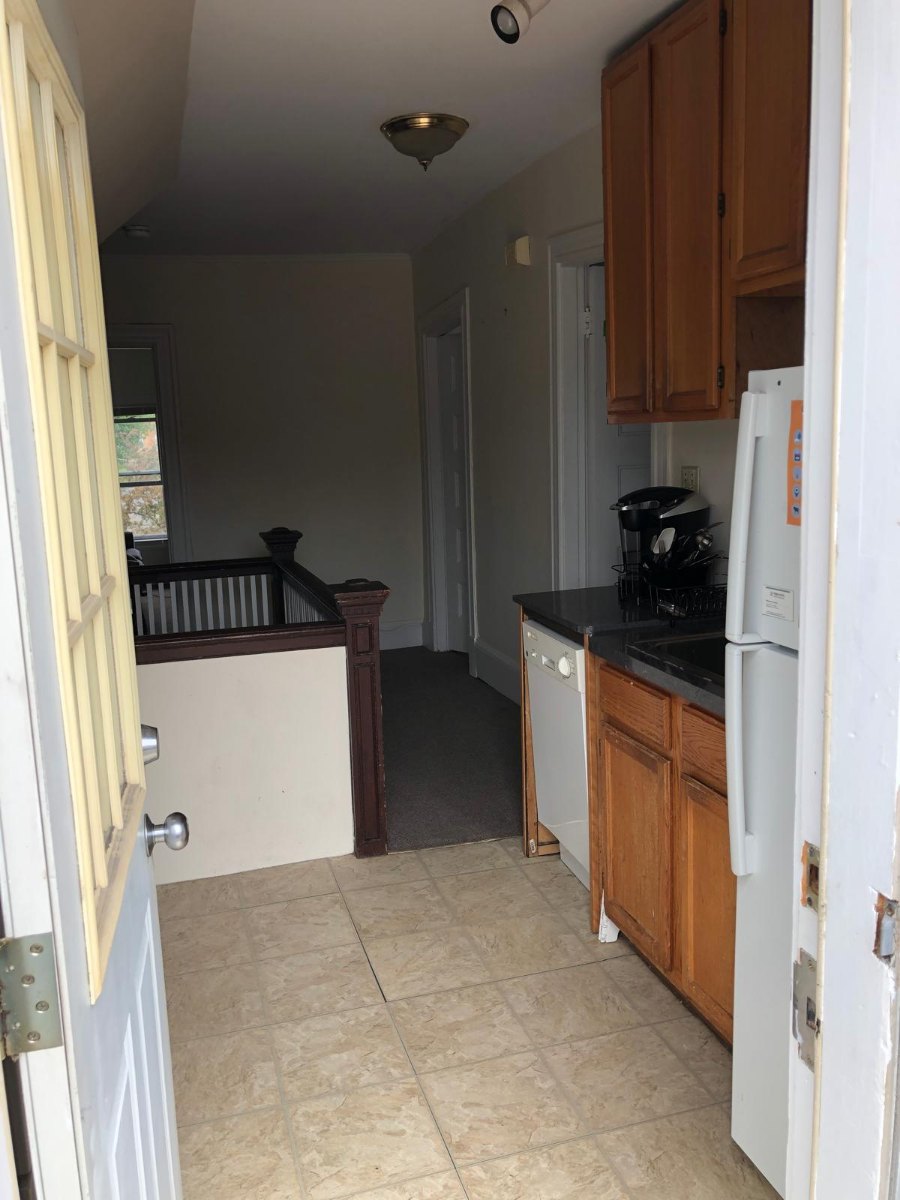
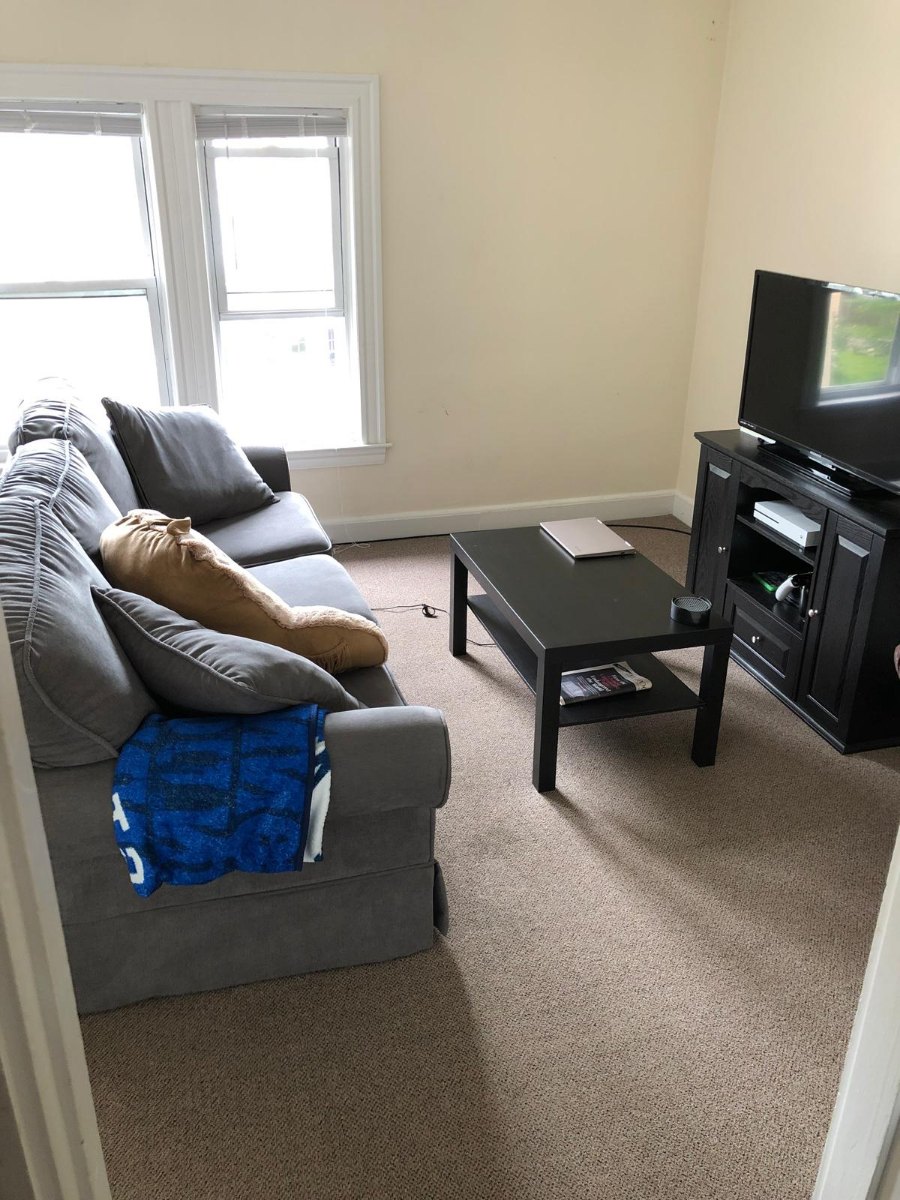
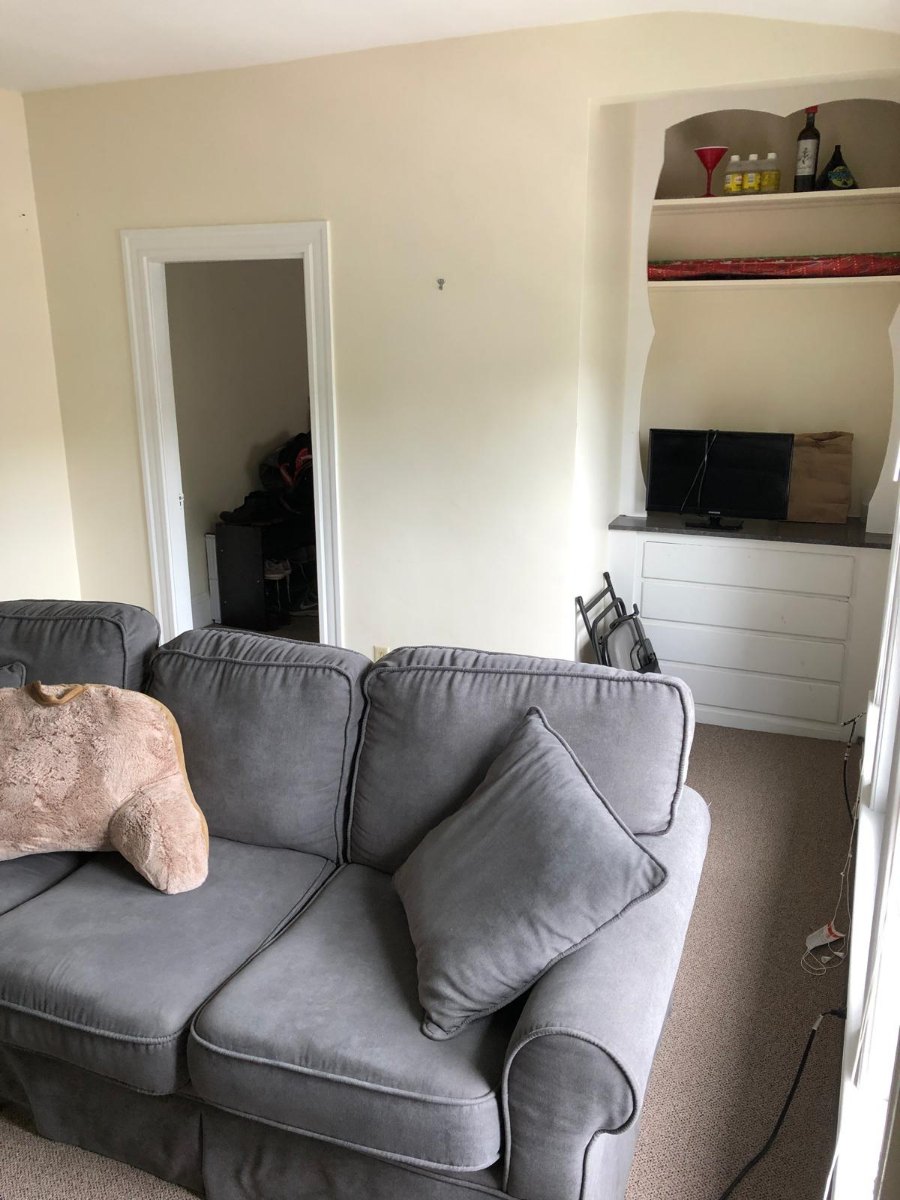
Two places that actually worked (T2). A third-floor unit next to a reservoir: short, easy-to-clean carpeting; walls that were slightly off-white with enough gloss that they weren't shedding particulates; vinyl-look flooring in the kitchen, right by the door and easy to air out; and bathroom tile installed decades earlier, so any construction dust was long gone. The door to the outside acted almost like a giant window, funneling air straight through. Separately, a unit with wood flooring and trim worn down enough that there was almost no varnish left on the surface, kept meticulously clean by the previous tenant so there was no lingering off-gassing or mold — large windows, a higher floor, and the lesson that a place which looks a little worn-in but well cared-for is often safer than one that looks brand new, since "new and clean" usually means recently renovated and still off-gassing. Places like this are difficult to find — most housing stock isn't built with any of this in mind — but they exist, and these two are proof it can be done.
Photos
Living environments I was able to heal in
Safe Environment #1
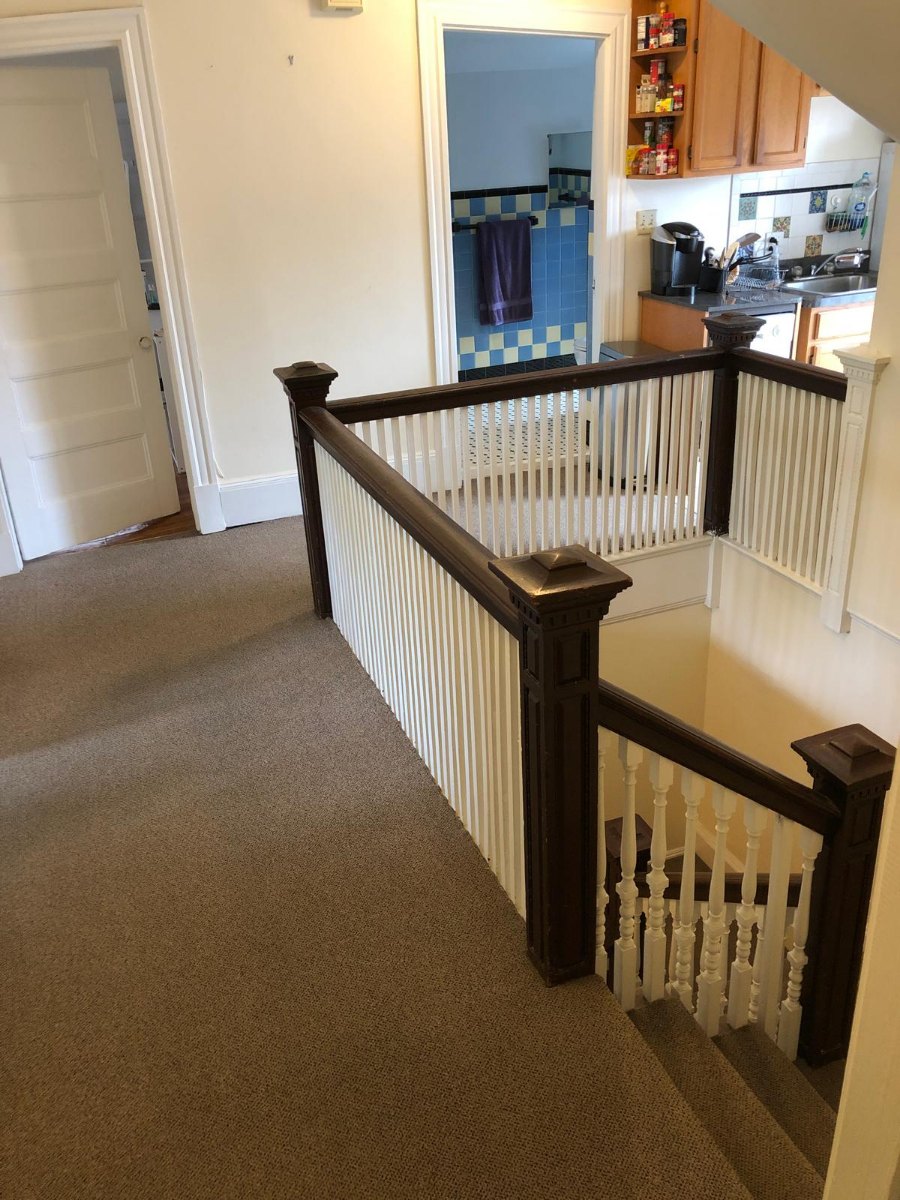
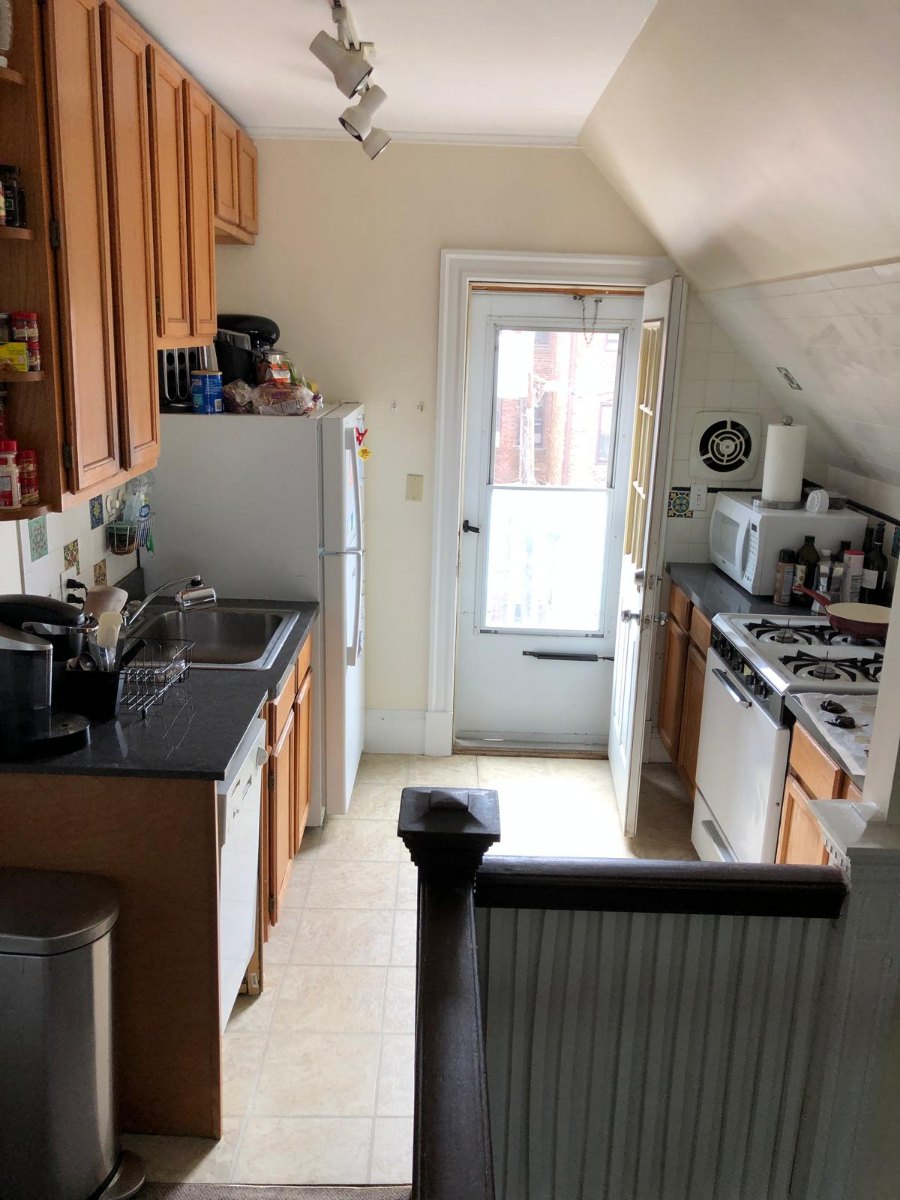
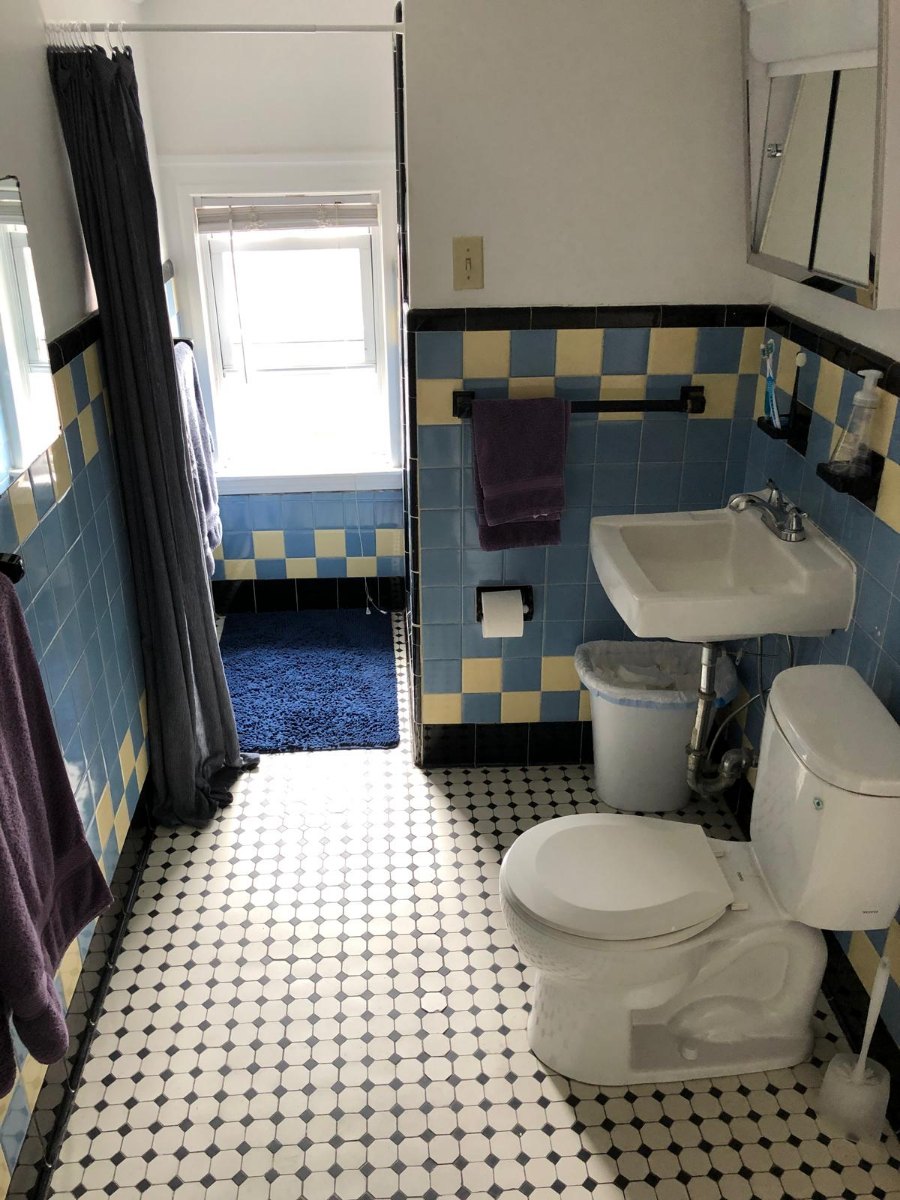
Safe Environment #2

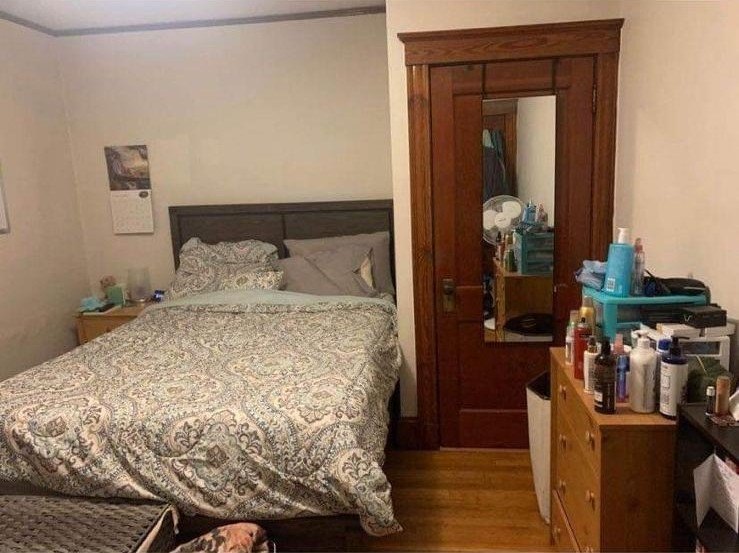
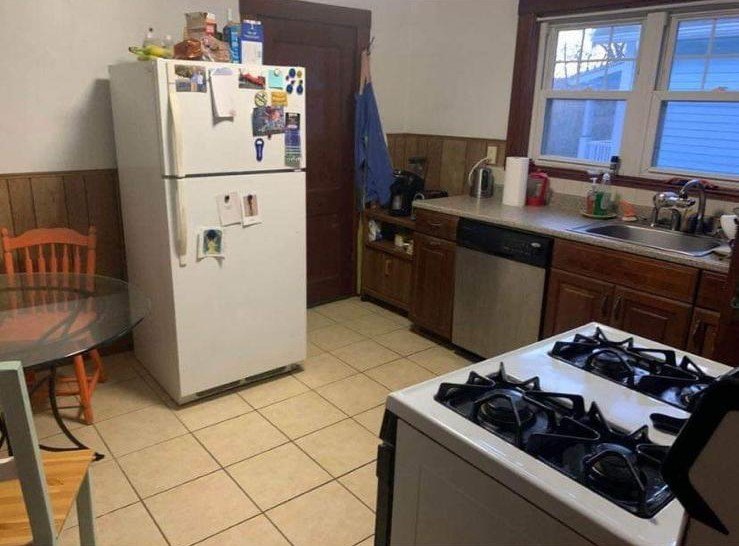
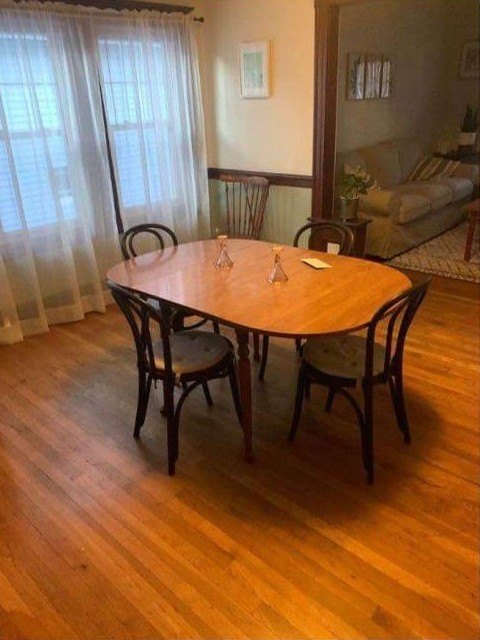
The flooring in Safe Environment #2 was probably Red Oak with an oil-based polyurethane finish, but it was likely finished a very long time ago.
Part TwoWhat has actually helped
Supplements To Mitigate Exposure Effects
These are the supplements I have found helpful after particular kinds of exposure. This is what has worked for me, not a protocol or a prescription, and I've left out doses deliberately. Check with a clinician or pharmacist before starting any of them, especially if you take other medications.
| Exposure | What has helped me | Where to find it |
|---|---|---|
| Mold | Grapefruit seed extract | View on Amazon: Grapefruit seed extract (opens in a new tab) |
| Vitamin D | View on Amazon: Vitamin D (opens in a new tab) | |
| Steroids (oral or topical) | Alpha-ketoglutaric acid | View on Amazon: Alpha-ketoglutaric acid (opens in a new tab) |
| VOCs and smoke | Super Reds polyphenol mix | View on Amazon: Super Reds polyphenol mix (opens in a new tab) |
| Oil and petroleum products | Cod liver oil | View on Amazon: Cod liver oil (opens in a new tab) |
| Vitamin E | View on Amazon: Vitamin E (opens in a new tab) | |
| Pesticides | Choline | View on Amazon: Choline (opens in a new tab) |
| Fertilizer | Blueprint NAC + Ginger + Curcumin | View on Amazon: Blueprint NAC + Ginger + Curcumin (opens in a new tab) |
| Chlorinated chemicals |
Chlorinated chemicals include the chlorine-based cleaners often used to wash mold off the outside of houses, so the same supplement has helped me with both.
I'm not endorsing any of these products, and I don't receive any commission or other compensation from them. The links are only there to show what I used. These are simply what has helped take the edge off some of these exposures for me.
1. Beneficial lifestyle changes
I had one stretch, lasting a couple of years, of partial remission — never a full recovery, but a real and sustained step up from my baseline. This is what I believe contributed, in the order I'd weight them. It is one person's uncontrolled experience, not a protocol: several things changed close together, I can't isolate which mattered most, and some of the benefit faded over time even where I kept doing the thing.
- Improving the air quality of my environment. I realize this will sound redundant at this point, but I think it's important not to understate how critical it is. When I started making functional improvements in 2019, I think it was actually the air quality in my apartment that was improving. The fresh paint I was exposed to when I first moved in was slowly fading over the years. And I recall that the only unusual thing I noticed on the first day my improvement started was that I had cleaned the apartment carpet with a rug-washing machine.
- Creatine and Powerade Zero, taken regularly. The benefit was clearest in the first one to two years and tapered after that.
- Perrin technique lymphatic massage. At low points this reliably brought me back up to baseline; it was the fastest-acting thing on this list.
- A mostly ketogenic diet, with dark berries for antioxidants and olive oil against inflammation. I don't think I would have improved as much as I did without it.
- Blue-light-filter glasses, and consciously releasing muscle tension I hadn't noticed I was holding — staying relaxed without collapsing.
- Starting part-time work. I expected this to set me back and was wary of it. Once I was past the initial difficulty, being active at work seemed to help, possibly through blood flow and neural stimulation rather than in spite of them — pacing still mattered enormously.
- Sleep position and breathing. Sleeping on my side with a small pillow between my knees, lying face-down with my legs off the bed for naps, and near-constant abdominal breathing instead of chest breathing. The breathing change was the hardest habit on this list and, I think, one of the most important.
- Flossing. I need to floss every one to two days at most. Plaque buildup on my teeth measurably affects my systemic inflammation.
- Anything elastic or compressive. Waistbands, wrist and ankle bands, firm shoe support, even a heavy sweatshirt sitting on my shoulders — any of it noticeably cuts blood flow to the rest of my body.
- Bedsheet and blanket fibers. Breathing them in overnight reliably clogs my head and brings on brain fog and temperature intolerance the next day.
- Sugar and refined carbs. A strict ketogenic diet keeps me markedly better. Any sugar or carbs give me maybe an hour of feeling fine before a substantial decline sets in.
2. What the community reports
Clinical trials are slow and haven't delivered. So I decided to take matters into my own hands. ME/CFS patients are some of the sickest and most desperate people on the planet, understandably so. For many years, I had to watch while they injected themselves with experimental drugs on a routine basis. I've seen boxes of pharmaceuticals with Chinese writing on them stacked to the ceiling in people's closets. It's mind-boggling to me that we let these sacrifices go in vain and nobody collects the results. I wanted to prove that you don't need to spend millions of dollars doing controlled studies over many years just to find out whether or not a drug helps someone. I collected these patient experiences, in two steps.
First, a screener asked people across several ME/CFS groups which treatments had helped them most (T3). That kind of question has a built-in bias: common treatments get named more often simply because more people have tried them. So in the second step I took the most-reported treatments and asked everyone to rate their experience for each one they had tried, from −5 (permanently and severely worse) through 0 (no change) to +5 (permanently and exceptionally improved) (T4).
Step 1 — Which treatments helped you most?
Step 2 — Rate every treatment you've tried
The difference between the two is the point. Naltrexone was named by almost a quarter of respondents in the screener, more than any other treatment, but averaged only +0.14 when rated directly. Larazotide acetate was named by fewer than 3% but averaged +3.50, the highest rating of all. Popularity and effectiveness are not the same thing, and a single question would have confused them.
I did this as one sick person, in minutes, on a budget of zero. People often blame the lack of ME/CFS funding for the lack of answers, but a lot of useful information is already sitting in the patient community, waiting to be asked for. Formal research could take years, and cost millions, to reach findings like these.
On their own, these results shouldn't carry much weight. This is self-selected, self-reported, unblinded, uncontrolled data with no adjustment for severity or duration, and several of the highest-scoring entries rest on four to eight responses — nowhere near enough to mean anything on their own. Somebody who improves for unrelated reasons will credit whatever they last tried.
What it is useful for is generating candidates cheaply. A survey like this can be run in a week and can point at things worth a proper trial. Larazotide acetate scoring at the top is at least interesting given that it acts on intestinal barrier permeability.
The results at the bottom of the range are worth as much attention as the top. If patients consistently report that a commonly prescribed drug makes them worse, that is a signal about prescribing practice that costs nothing to collect and is currently going uncollected.
Part ThreeProspective Treatment Options
The question I'm asked most often by people in the chronic illness community is which treatments I think could be effective in the future, and which we should keep an eye on or allocate funding for. I see the merit in this kind of thought exploration: it helps us work out what research we should be funding and which developments deserve the most attention.
But I always caution people not to let it distract them from practicing avoidance. Even if other therapeutics are developed and prove effective, avoidance will still be the most important treatment option. And if I'm right that avoidance is a necessary part of recovery, there will be no way around practicing it, whatever other therapies become available.
So here are my thoughts on what could one day become effective treatment options for ME/CFS and complex chronic illness:
1. Removing the particles
Blood filtration. To be clear, what follows is hypothetical — nothing like this exists yet. What I have in mind is a far more capable filtration technique than anything currently available: one able to selectively pull chemical toxins, plastics, mycotoxins, viral particles, insoluble nanoparticles and misfolded protein aggregates out of circulating blood, while leaving the beneficial components — blood cells, minerals, proteins and antibodies, exosomes — untouched. Nanoparticles do enter the bloodstream, so a technique like that could in principle remove them. The obstacle is bioaccessibility: most of the particle burden is lodged in interstitial spaces, not circulating. Getting them mobile enough to catch is the hard part — vibration during a blood draw is one idea for keeping them in circulation. Whether existing filtration methods would capture them depends on whether they are protein-bound or free, and because they are insoluble and inert, a technique specific to this population would likely need to be developed from scratch.
I have a reason to think pursuing this is worthwhile. For years I had extremely severe chronic pain and pressure in my arms. It did not reverse the muscle weakness that came with it, but six months of regular blood draws significantly reduced that chronic pain. Separately, the pain and pressure also follow a seasonal pattern of their own — building through the fall and tending to peak around October, in episodes rather than a steady climb — and when I get a few vials of blood drawn during one of those episodes, the pain and pressure drop substantially; it does not touch my other symptoms, but that specific pain does. None of this is a controlled result and it does not work every time. I think bioavailability is the limiting factor: where in the body the particles happen to be lodged, and how accessible they are to the bloodstream at a given moment — which is also why regular draws helped more reliably than a single draw during an episode does.
Manual lymphatic drainage. The technique developed by Raymond Perrin has a rationale here, given the lymphatic congestion documented in a large proportion of ME/CFS patients. In my experience the benefit is limited, it does not work well when connective tissue is heavily damaged or slow to repair, and it can increase damage if done too aggressively. After a session in 2022 I had a distinct gritty taste, like a mouthful of sand, which is what made me think particles were being moved. The technique could be advanced with ultrasound, including microbubbles.
Ultra-specific binders and catalysts. Another of the therapies I think will ultimately lead to the best ME/CFS treatments. Nothing like it exists yet.
2. Restoring repair capacity
I think restoring repair capacity, repairing barrier damage and reversing tissue depletion is an extremely challenging thing to do, especially without first removing particulates and fiber clogs, because you'd be fighting an uphill battle… a very uphill one. However, I do have some thoughts on how we could improve on the results of avoidance alone. In particular, I like the idea of targeting: treatments focused on the affected tissue itself.
I used to be interested in the Inspiritol trial for ME/CFS. Inspiritol is an experimental nebulized (inhaled) mixture of five ingredients, each previously reported to relieve oxidative stress, calm inflammatory signaling or inhibit pathogens. It was developed by physician John Salerno and environmental engineer George Hoag, originally for respiratory diseases such as COPD. In a retrospective case series from immunologists at UMass Chan Medical School, four ME/CFS and four Long COVID patients who used it for 3 to 15 months reported a 54% drop in overall symptom severity, along with improved CD8 T-cell function and no serious side effects (Gil et al., 2023). It was a small study with no control group, and the inventors were among its authors, so larger trials are needed. Essentially, it's an inhalable antioxidant mixture. Although it was designed partly for its antimicrobial effects, I found it interesting as a therapeutic for environmental illness. I saw it as something like an inhaler, but instead of treating asthma, it would neutralize the toxic effects of environmental exposures, and you could use it whenever those exposures occurred. I'm now much less interested in Inspiritol, because of my own experience with antioxidants and my concern that it could feed into tissue depletion. But I still think there is potential for an "environmental exposure inhaler", although it would probably take a lot of redesigning. It may be necessary to have inhalers with mixtures specific to the type of exposure you've had.
Once the damage has occurred, a preventative is no longer enough, and we need a different approach. We could consider nebulizing growth cofactors and nutrients to promote cell proliferation, but I think that would just lead to toxic buildup without a functional waste clearance system in place. Nebulizing placental stem cells is another possibility, but it could run into the same problem. I do think some kind of cell therapy will be critical. Your cells have a predetermined limit to the number of times they can divide and repair, and when they hit that limit, they're done. No amount of supplements or good blood flow can undo that. So we really need a cell therapy that reintroduces healthy cells with plenty of replicative capacity left. Achieving that might require more invasive surgery, such as an airway tissue graft to replace the cells that were lost or damaged. I think the best approach likely depends on the individual: what caused their tissue damage, how much there is and what kind (connective tissue damage, junction problems, small holes versus more extensive necrosis), and what genetic limitations their cells might have.
For damage severe or long-standing enough that the tissue can't resynthesize on its own, I would expect the eventual answer to involve cell therapies rather than a pill — replacing what's been lost rather than just removing what's causing the loss. I don't know of anyone testing that in this population yet.
3. Synthetic barrier designs
The environmental exposure inhaler I described above could also work by a mechanism other than supporting biological functions. Instead, we could synthetically compensate for the functions that have been lost, and create something entirely new, like a synthetic mucus that protects airway tissue from exposures as a preventative.
Another possibility is an inhalable sealant that fills the gaps in the barrier without dissolving or passing through. I came up with this idea from my own experience. A few hours into a paint exposure, my symptoms initially improved. I believe this happened because the paint fragments were plugging the gaps through which toxic VOCs, mold and other aggravating substances were entering the body and harming the tissue. That improvement later reversed badly, when the particles began disrupting the tissue and left the gaps wider than before. A specially designed, biocompatible sealant could seal those gaps without dissolving or harming the tissue, keeping the benefit I felt without it turning harmful.
4. A model of safe housing
The goal is a perfect, reproducible model of safe housing: a place where the air quality promotes healing, available to anyone with a chronic illness, who could move there for immediate relief and the conditions to recover. Part One is about finding a place like that on your own. This is about building them. Perfecting the list of building materials and the choice of location is only part of the battle. The rest is securing land and funding and constructing this housing at scale, so that it reaches everyone who needs it. Nothing like it exists yet.
I have tested a lot of building materials and personal products, but I haven't tested them all, and one person's testing shouldn't be the last word. We can build an objective list of the safest materials. Take flooring: there are hundreds of different types, and many of them are extremely bad for human health. I know people with no health condition at all who moved into a new apartment and started developing chronic migraines. There's no need for these dangerous materials to exist when there are so many alternatives. I believe the most dangerous half of building materials should be banned outright. We can't keep sacrificing human health to save a few dollars, especially when the safer materials are sometimes the same price or cheaper.
People often ask me how to mitigate these exposures: whether to use air filters, or more ventilation through HVAC systems. I see it the same way as someone smearing a uranium-infused paste on the walls of their house. Would we be having discussions about how to ventilate the uranium? Even if you could ventilate it well, you'd just be blowing it outdoors for other people to breathe. The only logical conclusion is to not put uranium on your walls, because there's no reason to be doing it in the first place.
There is a huge missed opportunity in medical research here. People with environmental illness are the perfect disease model for rapidly and accurately identifying which exposures are most common, which are most harmful, and the mechanisms by which they affect the body, because this is a loss-of-function disease with a vulnerability to virtually every airborne contaminant. Rather than spending decades running clinical trials that often yield very limited information, we could learn much of what we need from these patients today, at almost no cost. Tightly controlled trials come at a price, too: when every variable is controlled, you lose the real-world context, and much of what those studies find may apply little or not at all to real-world problems.
We need to take that knowledge and use it to build a model of safe housing. Ideally, every citizen would live in the highest-quality environment possible, but we urgently need to start by building safe places where people with environmental illness can heal, used the way you would use a medical device. I recognize that's a big undertaking, but it is absolutely achievable, and a far better use of funding than pouring money into research that leads nowhere.
Read the safe housing bill on the Advocacy page
References
These are the published studies the model draws on. They are real and independent of me; the synthesis and the application to ME/CFS are my own.
- Hernandez E, Nowack B, Mitrano DM. Polyester textiles as a source of microplastics from households: a mechanistic study to understand microfiber release during washing. Environ Sci Technol. 2017;51(12):7036–46. ↩
- De Falco F, Gullo MP, Gentile G, et al. Evaluation of microplastic release caused by textile washing processes of synthetic fabrics. Environ Pollut. 2018;236:916–25. ↩
- Korábková E, Kašpárková V, Jasenská D, et al. Behaviour of titanium dioxide particles in artificial body fluids and human blood plasma. Int J Mol Sci. 2021;22(19):10614. ↩
- Hives L, Bradley A, Richards J, et al. Can physical assessment techniques aid diagnosis in people with chronic fatigue syndrome/myalgic encephalomyelitis? A diagnostic accuracy study. BMJ Open. 2017;7(11):e017521. ↩
- Gil A, Hoag GE, Salerno JP, Hornig M, Klimas N, Selin LK. Identification of CD8 T-cell dysfunction associated with symptoms in myalgic encephalomyelitis/chronic fatigue syndrome (ME/CFS) and Long COVID and treatment with a nebulized antioxidant/anti-pathogen agent in a retrospective case series. Brain Behav Immun Health. 2023;36:100720. ↩